
Dolomites Guide & How to Get There: 4 Days in South Tyrol
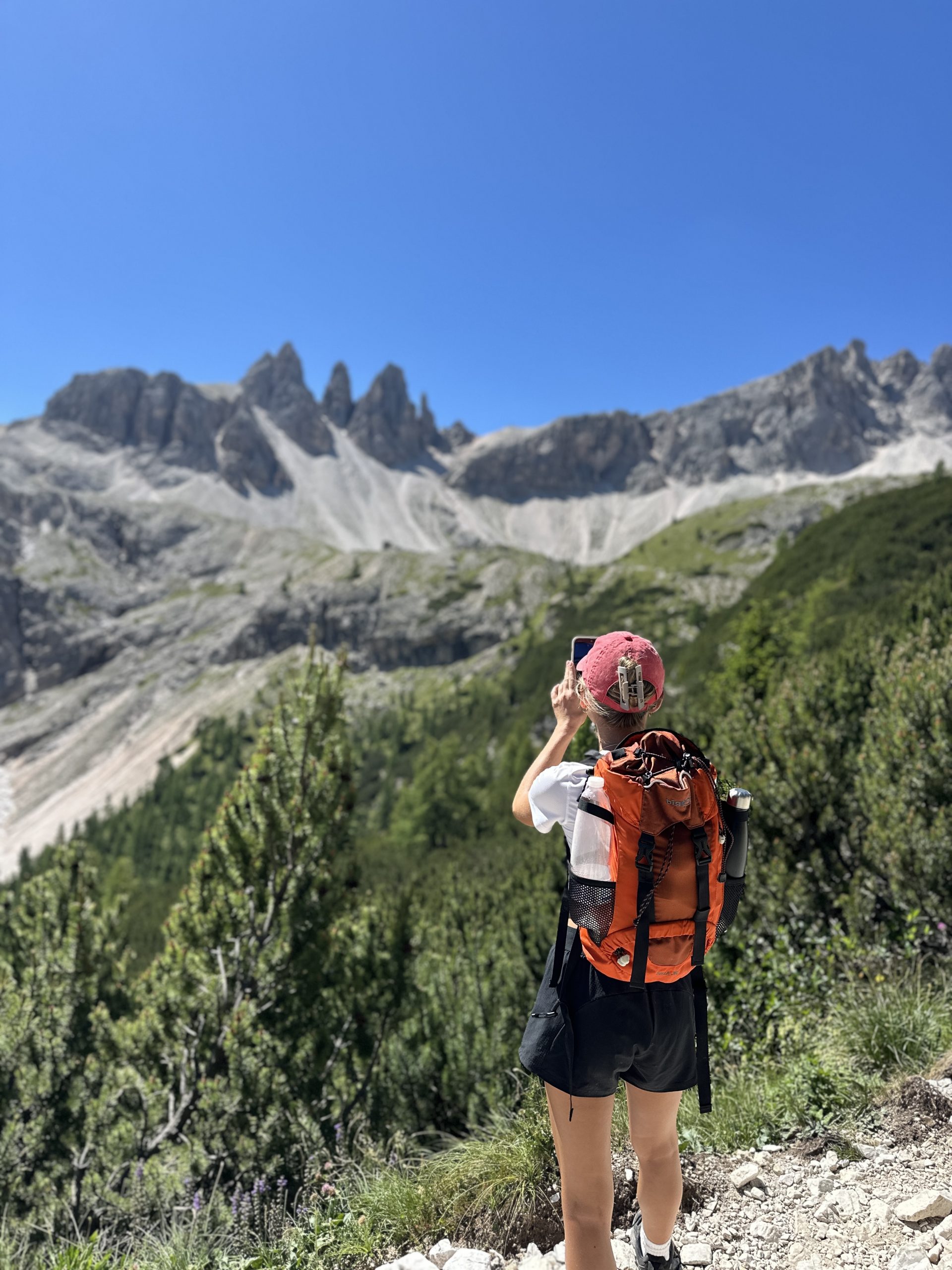
The Dolomites are among Europe’s most stunning hiking destinations and have been a UNESCO World Heritage Site since 2009. Between rocky cliffs, green valleys, and deep-blue mountain lakes, a unique and unforgettable natural landscape unfolds. Once you arrive, it’s easy to see why this region is considered one of the most beautiful mountain areas in the world.
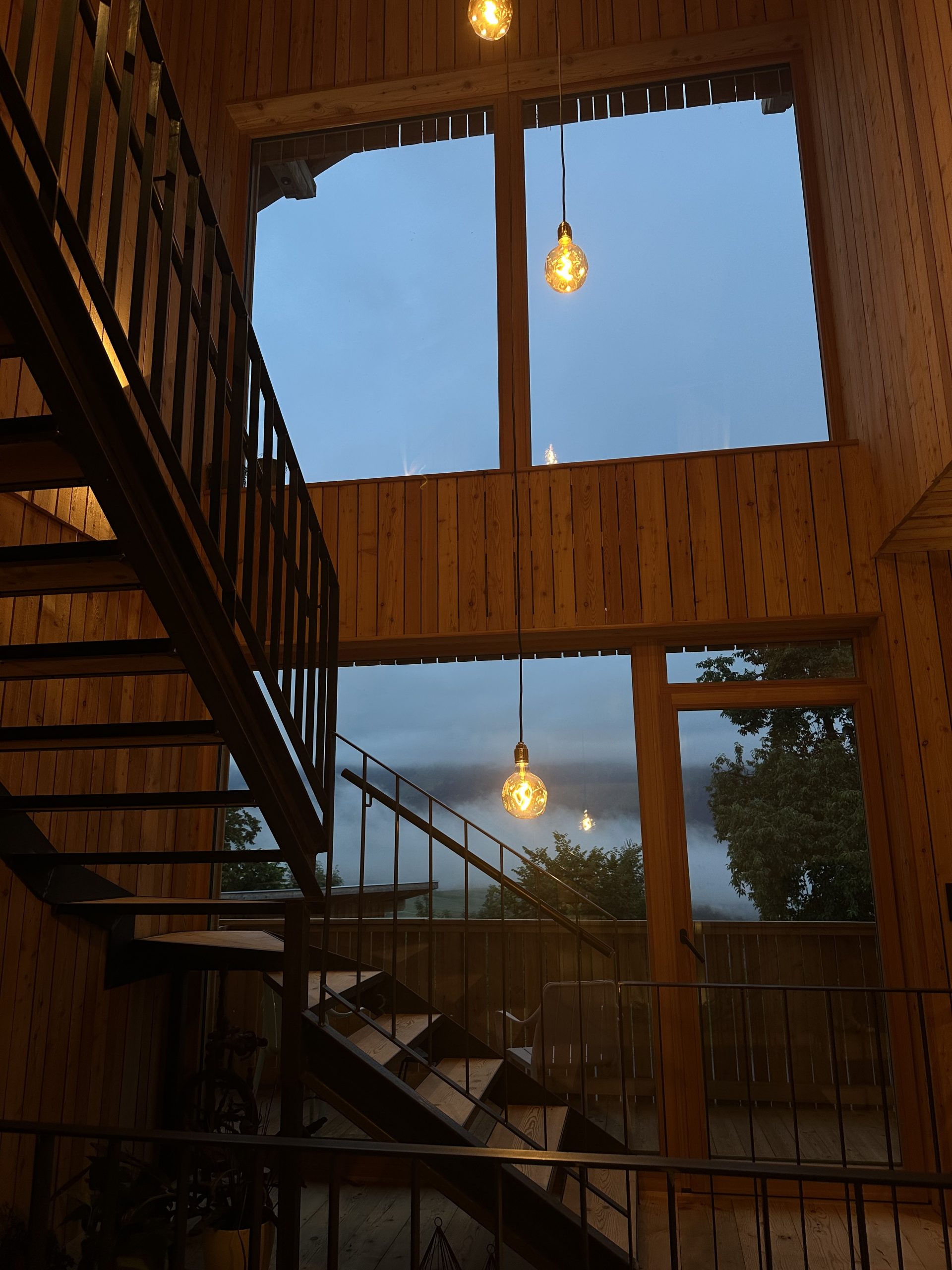
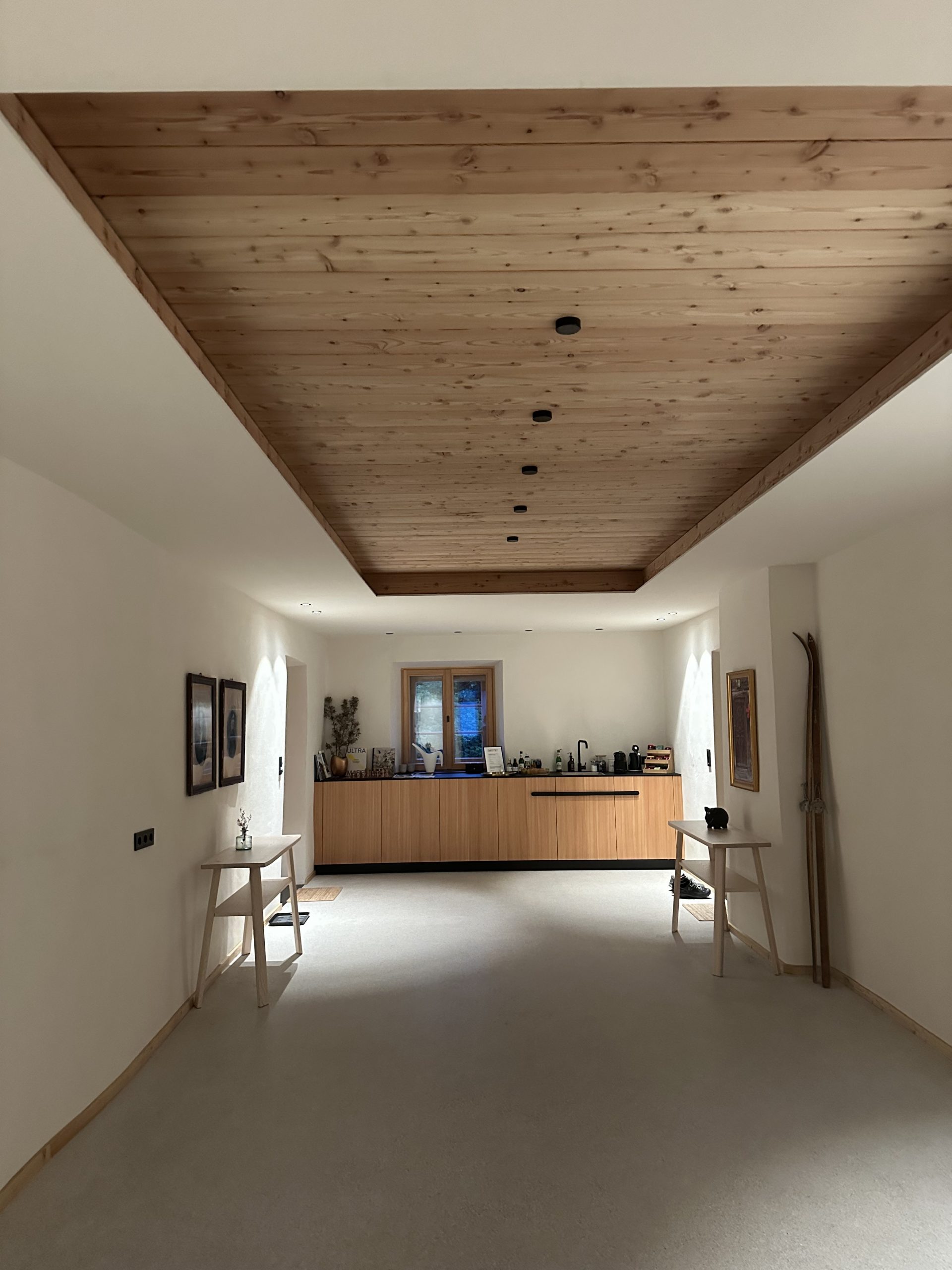
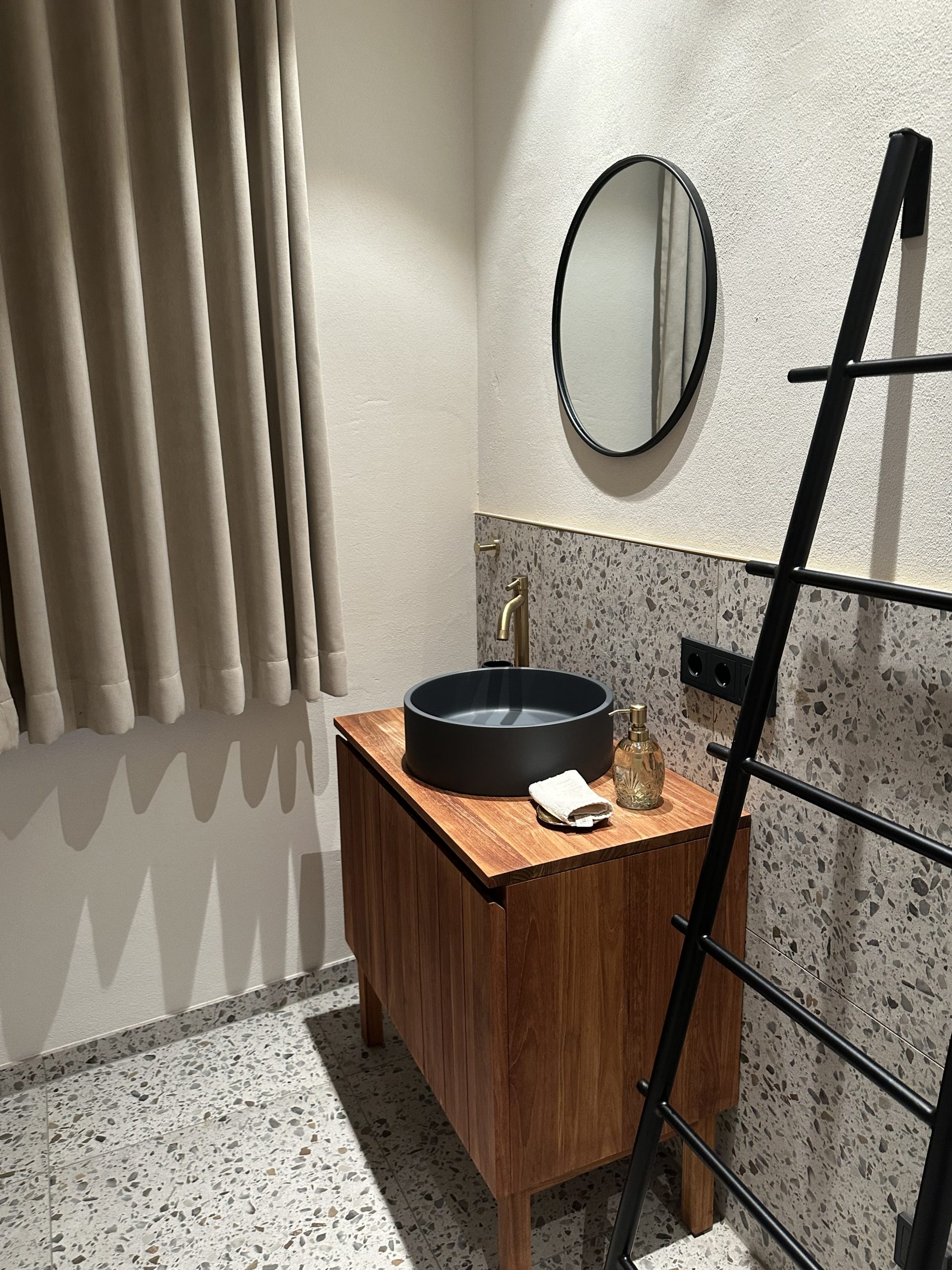
After years of planning, we finally made it in June 2025, taking the long 7.5-hour drive to the Dolomites. After roughly 340 kilometers, we made our first stop late in the evening near Innsbruck at the Apartment 1494. We ended the day with a relaxing dinner featuring Cordon Bleu. The accommodation costs around €63 per person per night and comes highly recommended. It was very clean and comfortable, though the only downside was the occasional passing trucks, even at night.
The next morning, we set off early, with another 300 kilometers ahead of us before our first hike to Croda da Lago. Our excitement for the mountains was high, and the scenery grew more impressive with every kilometer. Even just driving through the Southern Limestone Alps is an experience in itself.
Driving to the Dolomites: What You Need to Know
On the route from Germany to Italy, there are two things you absolutely need to keep in mind: the vignette in Austria and the toll system in Italy.
In Austria, you need a vignette to use the highways. The simplest option is the 10-day vignette, which currently costs €9.90 per car. You can buy it as a traditional sticker at a gas station or get it digitally online. We definitely recommend the digital version. You just enter your license plate and you’re ready to go. It’s also easy to arrange at short notice. In addition to the vignette, some routes in Austria (for example, the Brenner Autobahn or Arlberg Tunnel) require additional tolls. These can be purchased online or directly at the toll machine.
Once you cross the border into Italy, the toll system works differently. There’s no vignette; instead, you pay based on the distance you drive. When entering the highway, you take a ticket, and the price is calculated when you exit. The cost is usually around €9–10 per 100 kilometers. For us, that added up to about €15–20 for Italian tolls. Payment is easy and can be made in cash or by card directly at the toll station.
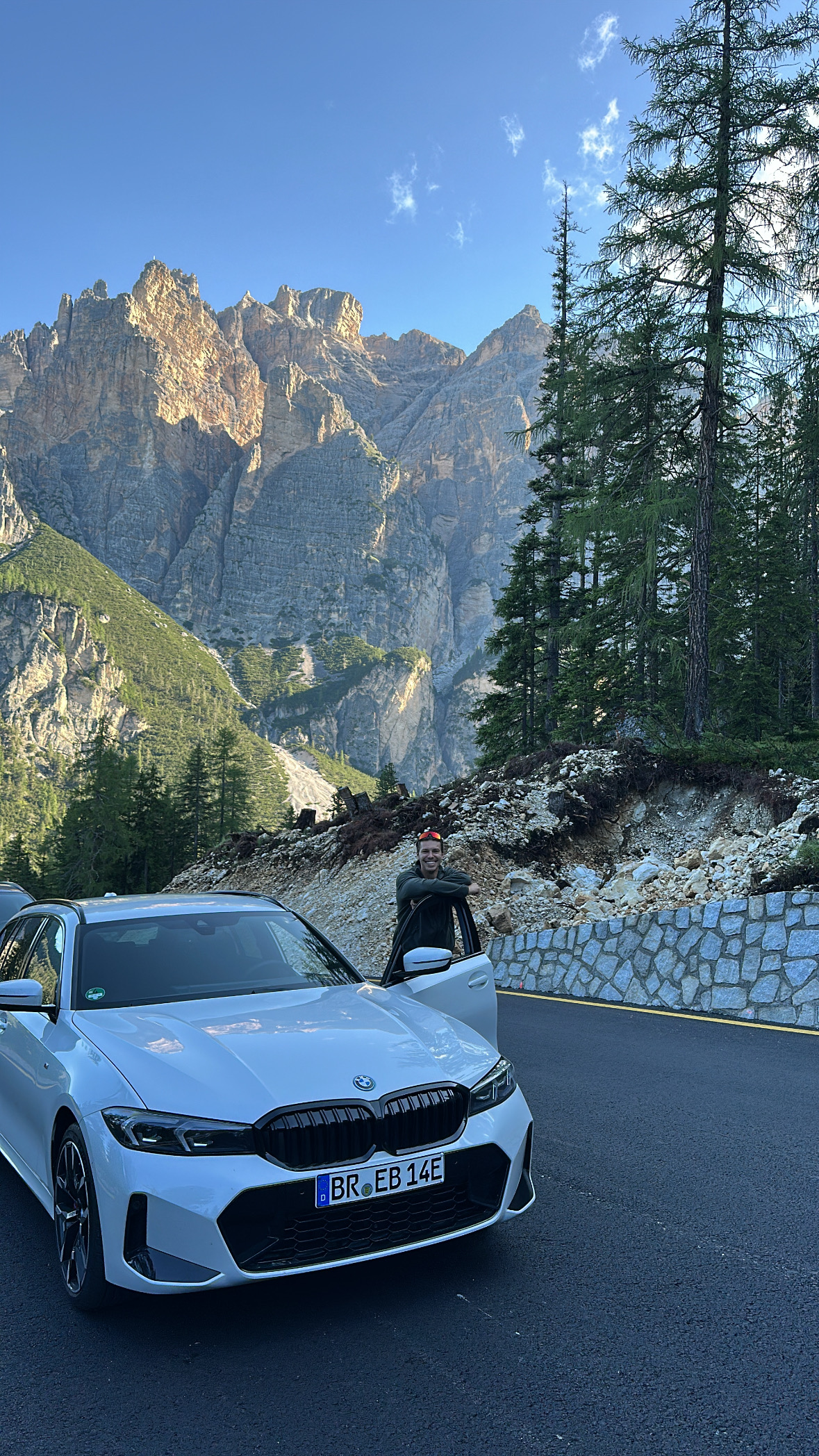
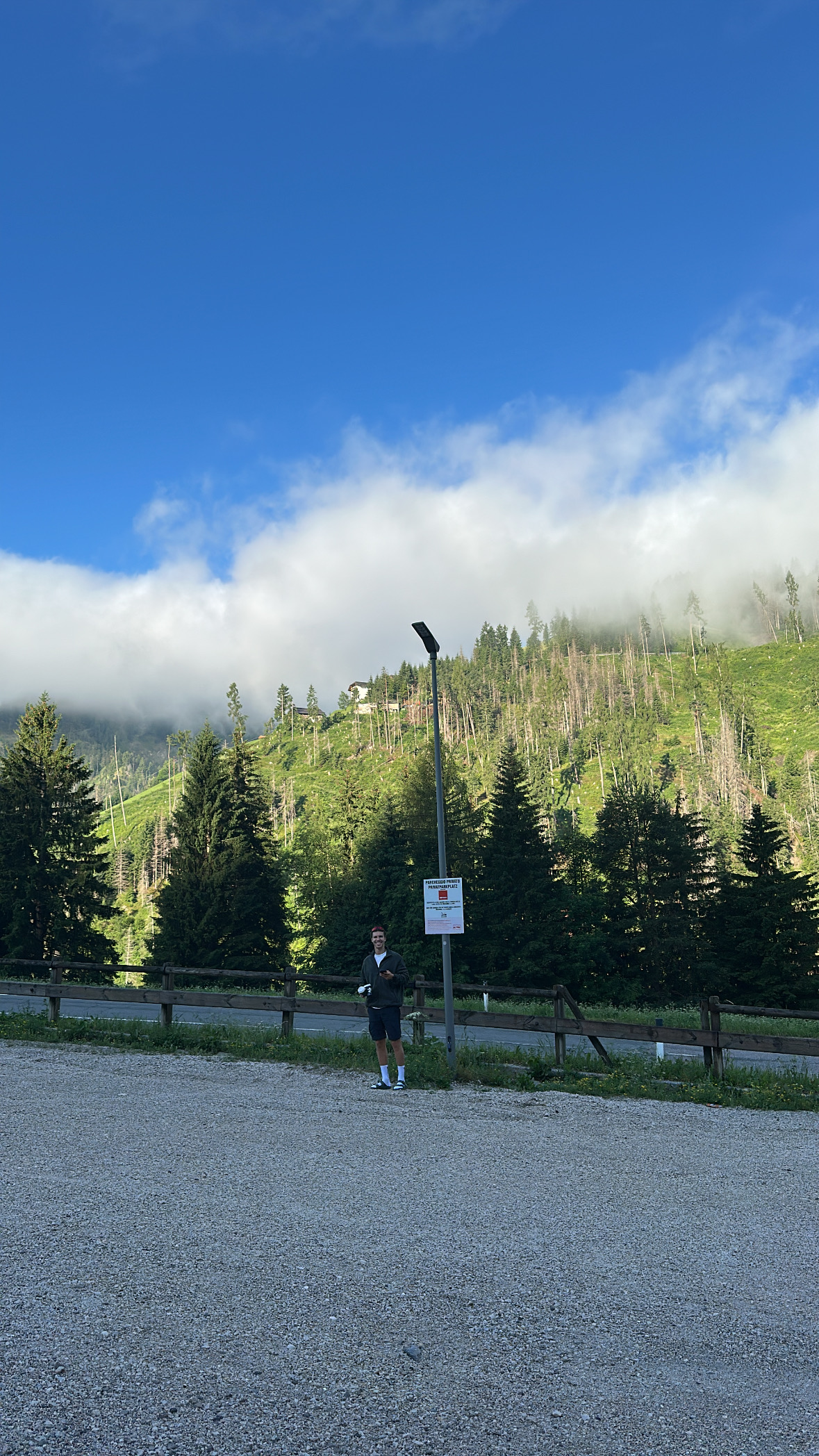
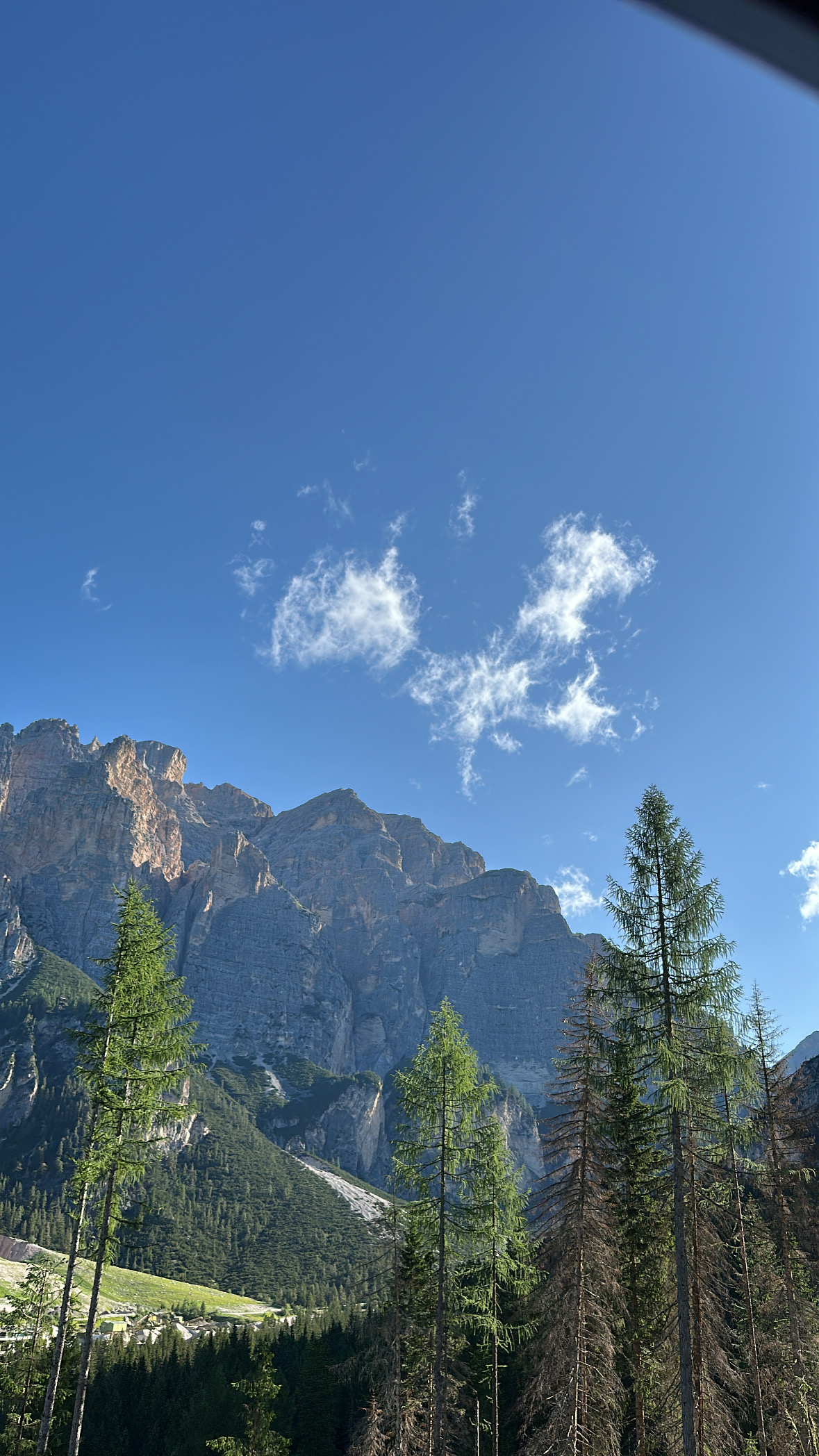
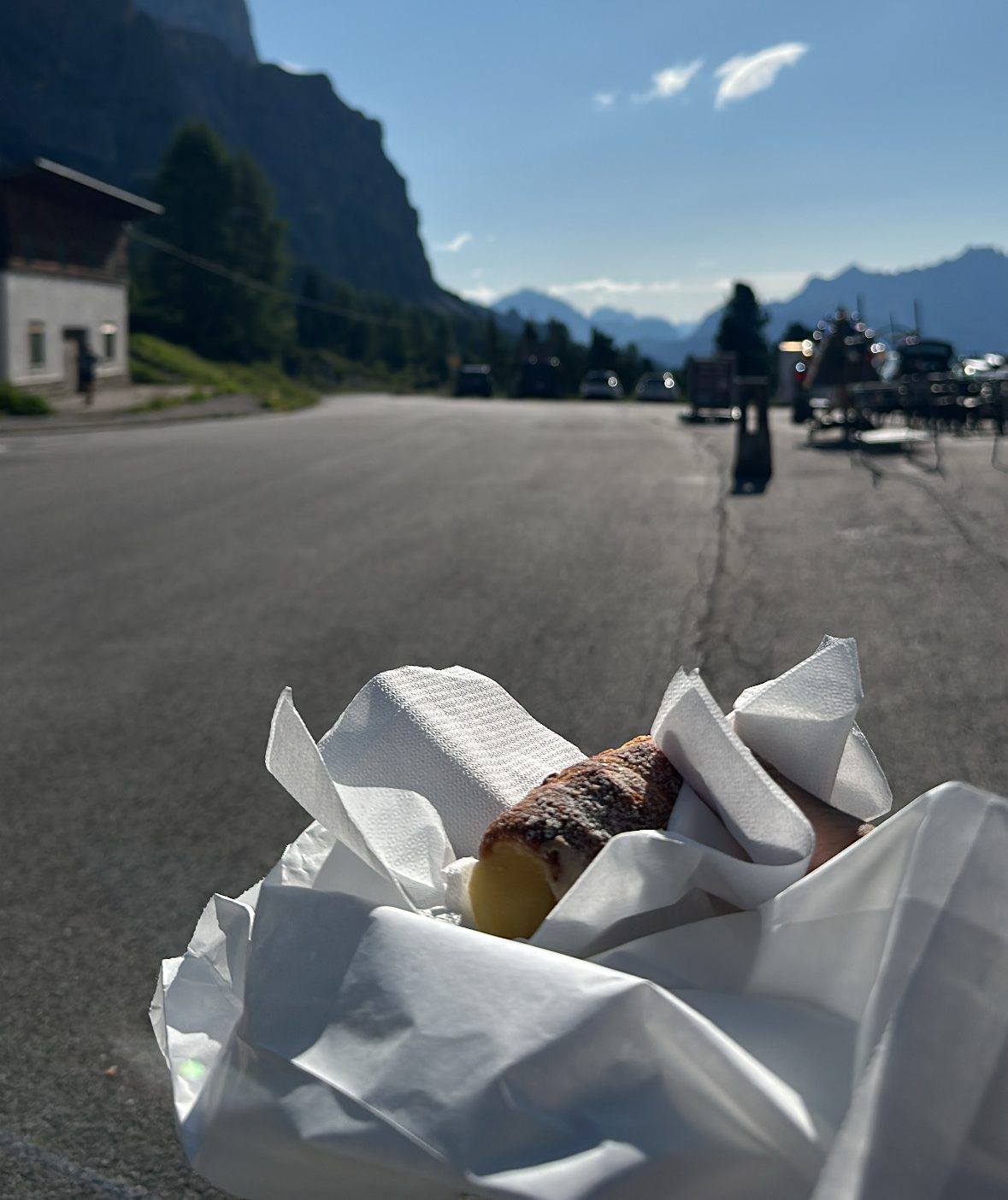
Driving through Austria and northern Italy is a highlight in itself, offering breathtaking scenery along the way. Our route took us over the Passo Falzarego, an impressive mountain road with incredible views of the surrounding peaks. We made a short stop there to grab a coffee and a small snack at a local bakery before starting Day 1 and our first hike to Croda da Lago. With the fresh mountain air, the smell of coffee, and the view of the Dolomites, it was the perfect start to the day.
Croda da Lago
The hike to Croda da Lago starts right after our stop at Passo Falzarego. The well-marked trail leads to the clear Lago di Federa, passing lush alpine meadows and offering stunning views of the surrounding peaks. One of the highlights is seeing the Croda da Lago mountain range reflected in the crystal-clear waters of the lake at the base of the mountain. The route is manageable for most hikers, though there are a few steeper sections that require sure-footedness. Overall, it’s the perfect introduction to the Dolomites, allowing you to fully enjoy nature, tranquility, and breathtaking panoramas.
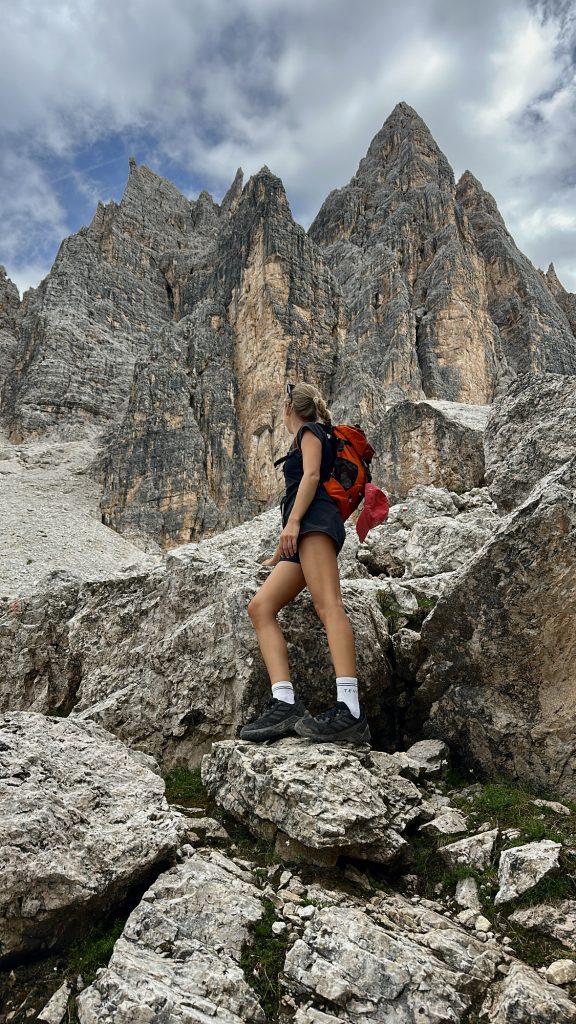
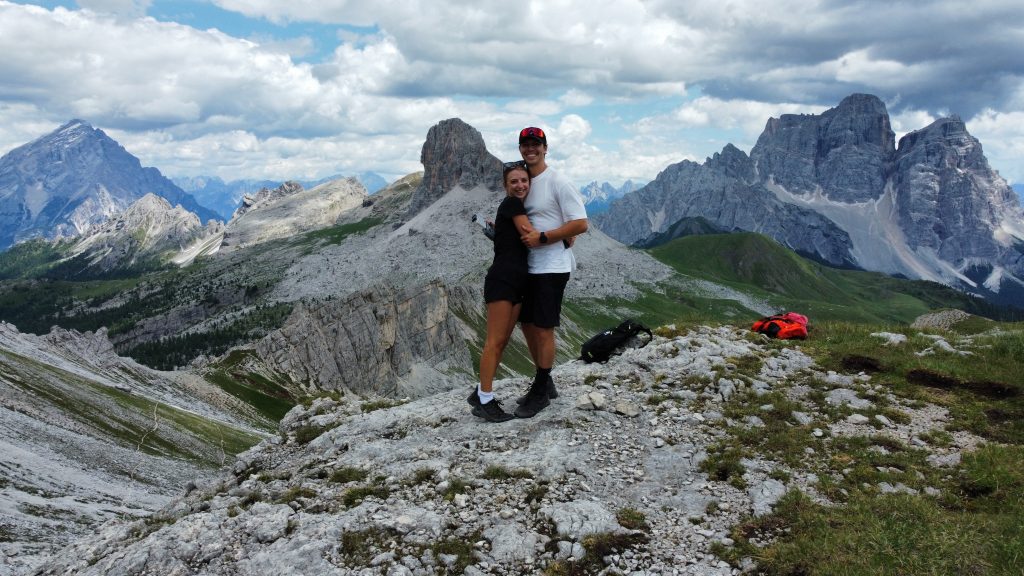
Lago di Sorapis
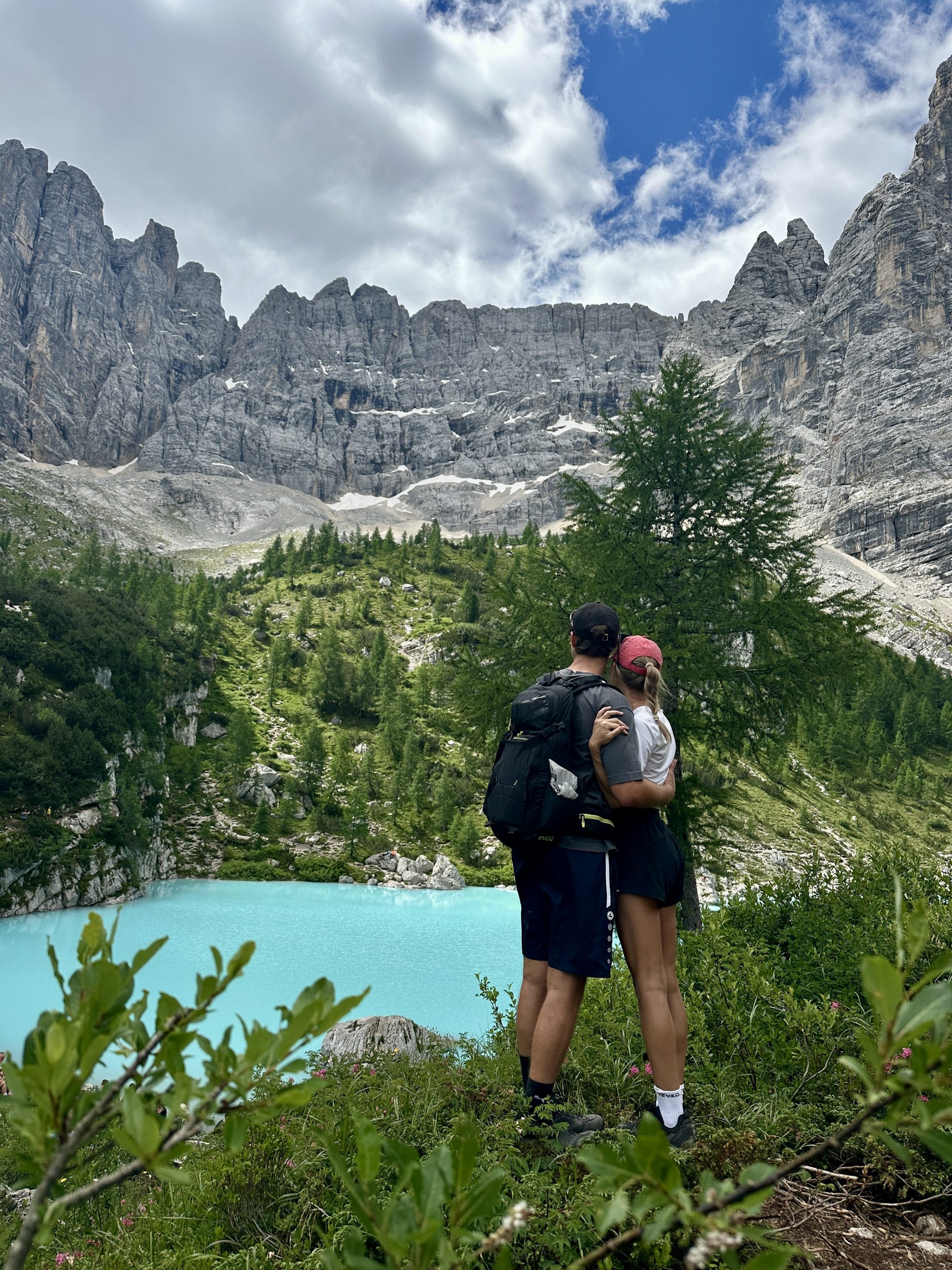
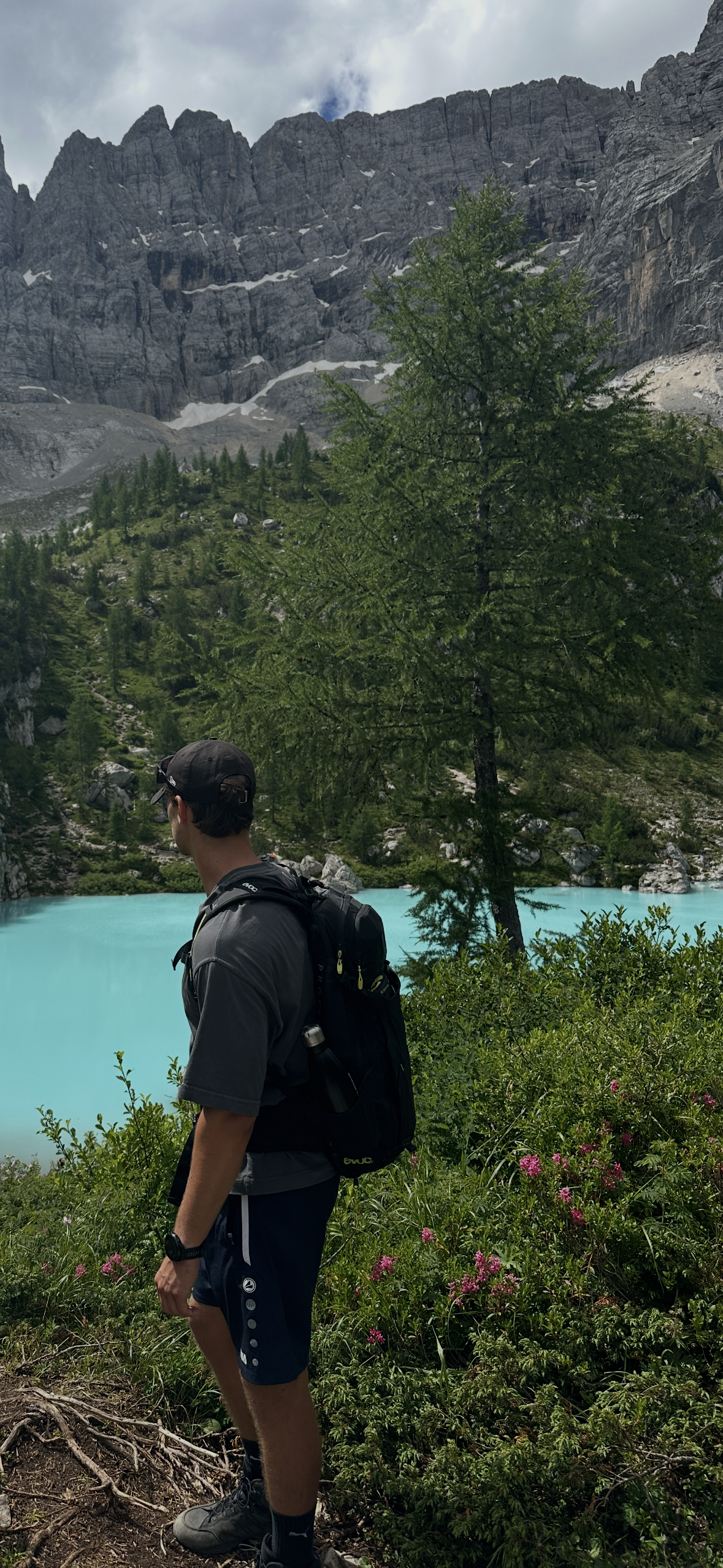
On the second day, we tackled the world-famous hike to Lago di Sorapis. The view of the turquoise water and the surrounding mountains is simply breathtaking. We started early in the morning, as the trail is challenging, takes several hours, and is very popular. Along the way, you’re rewarded with stunning vistas before finally reaching the glowing turquoise lake. If you want to enjoy the peace and quiet of the Dolomites and the lake away from the crowds, it’s best to start the hike very early. This trail is truly one of the highlights of the Dolomites, though you’re unlikely to be alone here.
Die 3 Zinnen
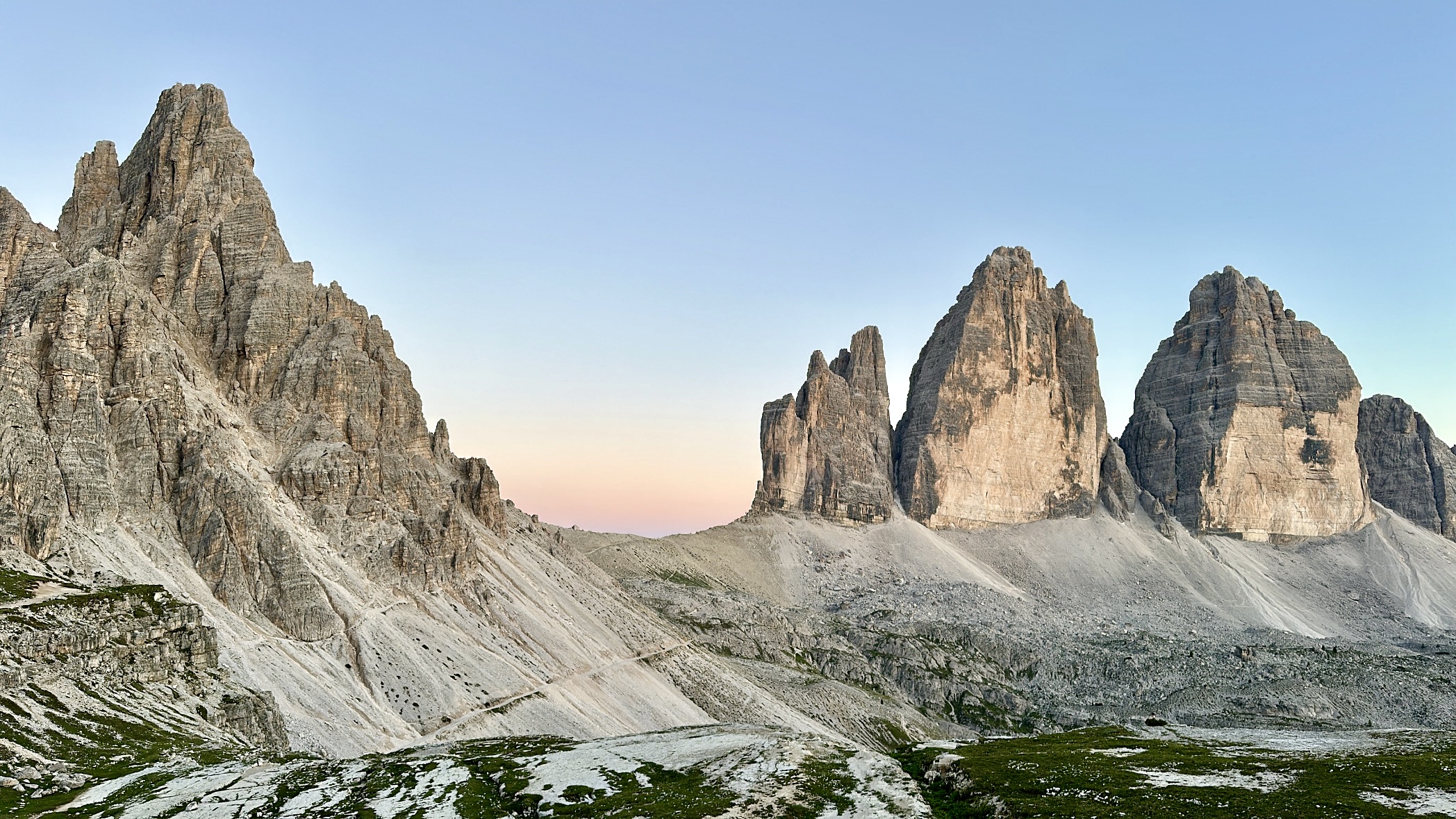
The Tre Cime di Lavaredo in the Sexten Dolomites are by far the most iconic peaks in the Dolomites and absolutely worth a visit. The hike takes you past green alpine meadows, small mountain lakes, and impressive rock formations, all while offering breathtaking panoramic views. We stayed overnight at the Tre Cime Hut, where we enjoyed the sunset directly beneath the peaks completely on our own. The next morning started with a magical sunrise over the Tre Cime before we explored the surrounding area and soaked in the peaceful mountain atmosphere.
Best Time to Visit & Tips
The best time to visit the Dolomites is between late June and early October. During this period, most trails are snow-free and easily accessible. The end of June (before the summer holidays), September, and early October are especially ideal. The weather is usually stable, temperatures are milder, and the trails are often a bit quieter. For our trip, we were there at the end of June. Although it was outside the German school holidays, it was still incredibly busy and, at times, very hot.
Additionally, an yearly ultramarathon event took place at the end of June, which meant hotels were mostly fully booked and more expensive, hikers were running on the trails, certain roads and paths were closed, and in general, everything felt very crowded. Tip: check online in advance for upcoming events or marathons and plan your trip around them if possible.
One of the biggest challenges is almost always parking at the trailheads. Arriving early is doubly important to secure one of the few available spots. If you want to experience the mountains in peace and enjoy the trails almost to yourself, start very early. Ideally at sunrise, or at the latest by 8–9 a.m. A better option is to stay overnight in a mountain hut. This way, you’re up early and can enjoy the nature before and after the day-trippers, almost entirely on your own.
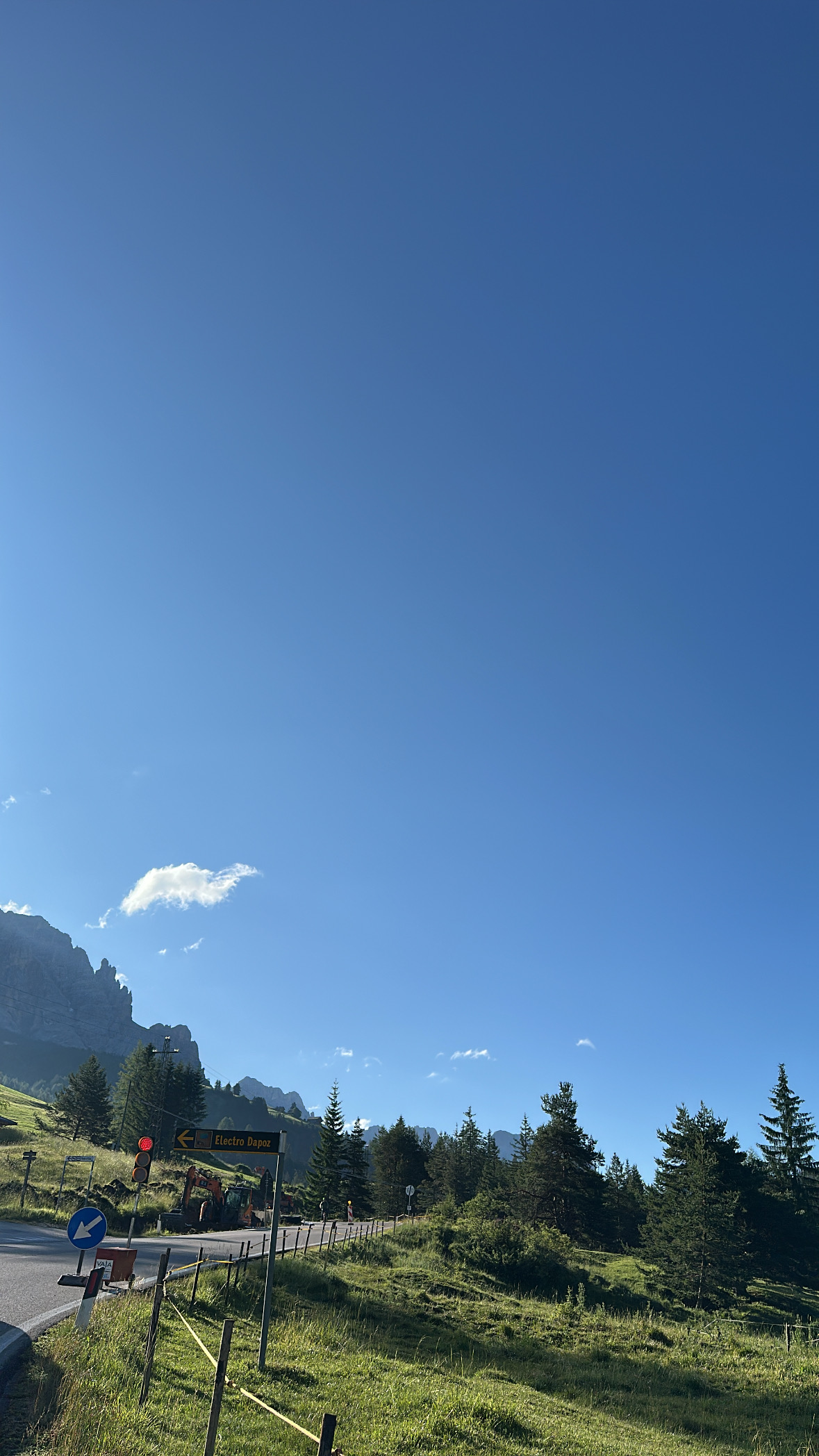
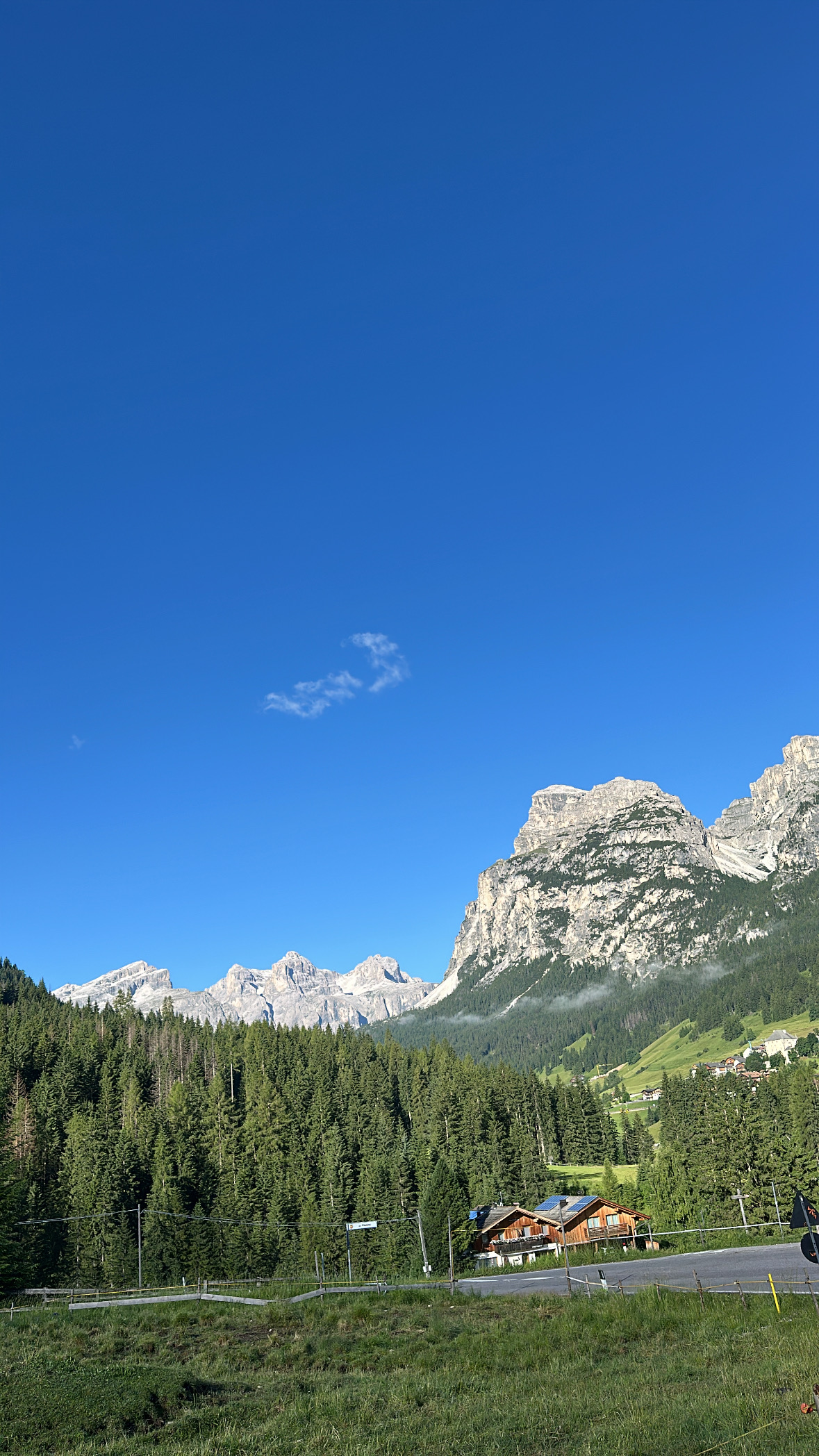
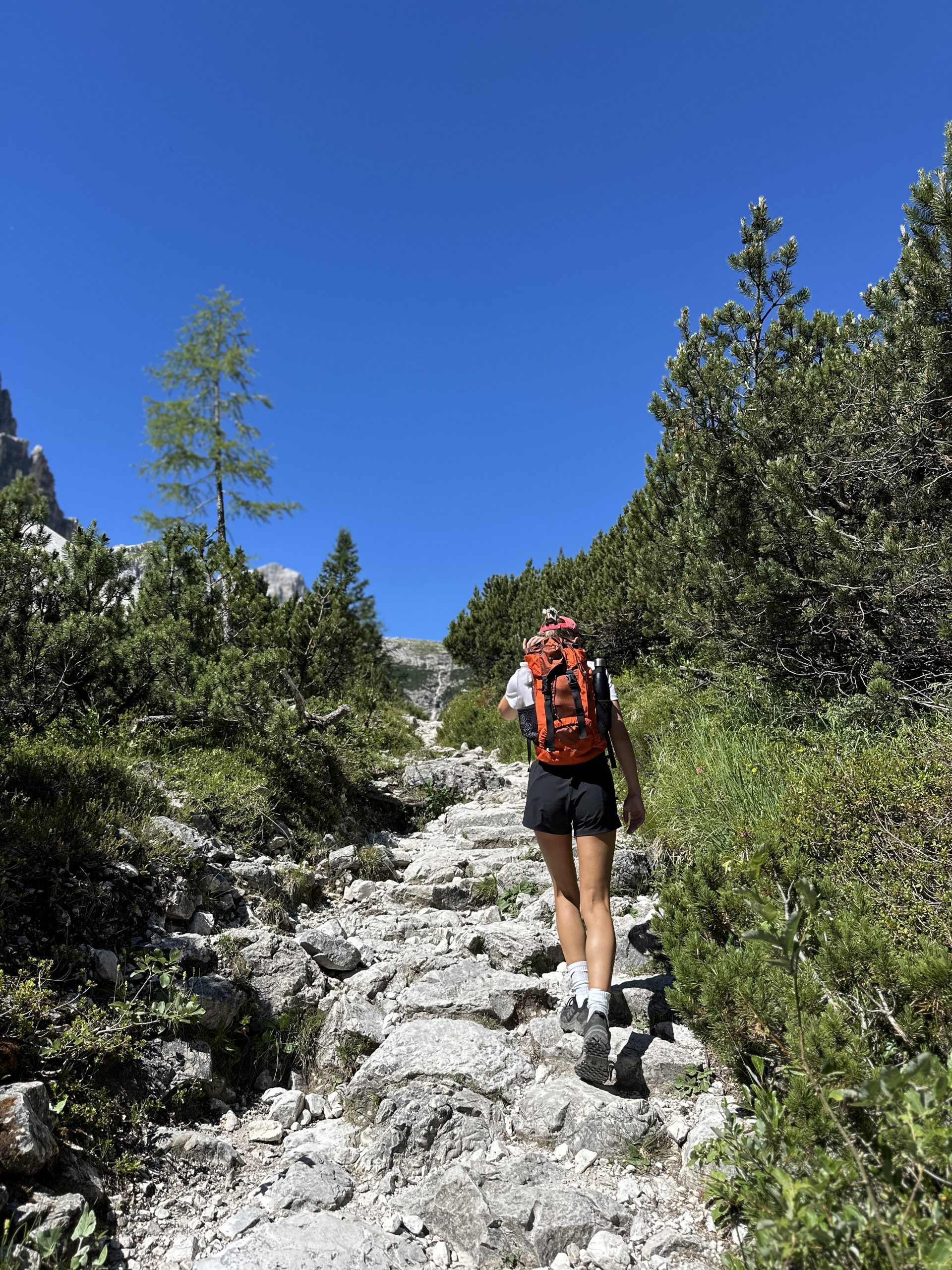
It was also extremely hot at that time, and the tree line in the Dolomites ends very quickly. As soon as you gain elevation, there’s hardly any shade, so sunburn is almost guaranteed. As in all mountain regions, the weather can change quickly here too. Even if the day starts sunny, you should always be prepared. This includes weatherproof clothing, plenty of water, snacks, and sun protection.
For our next trip to the Dolomites, we plan to do a multi-day hut-to-hut tour. This way, you can experience the landscape more fully and independently. The only downside is the long planning process. Once the huts release their booking pages, the spots often fill up very quickly.
Dolomites Hiking Gear & Equipment Guide
For hiking in the Dolomites, having the right basic gear is essential. Sturdy hiking boots are a must, as the trails are rocky and challenging. Comfortable hiking socks are equally important. They provide good support and help prevent blisters. Still, it’s wise to keep blister patches in your backpack just in case, as long tours and significant elevation gain can quickly take a toll on your feet. This basic equipment and preparation will help you enjoy your Dolomites hikes safely and comfortably.
We hiked with two small 30-liter backpacks, which were more than enough for day trips. For an overnight tour, the size was just sufficient. In our backpacks, we always carried enough snacks, plenty of water, sunscreen, and a change of clothes for different weather conditions. This basic setup proved reliable on every hike and made sure we were prepared for almost any situation. Whether it was heat, wind, or a sudden change in weather.
Additional tips for your hike:
- Snacks & nutrition: Bring high-energy foods like dates or protein bars to keep your energy up.
- Technology & safety: Power banks for your phone or GPS device. Note that drones are not allowed in many areas.
- Sun protection: Sunglasses, sunscreen, and a hat are essential, especially above the tree line.
Accommodation & Overnight Stays
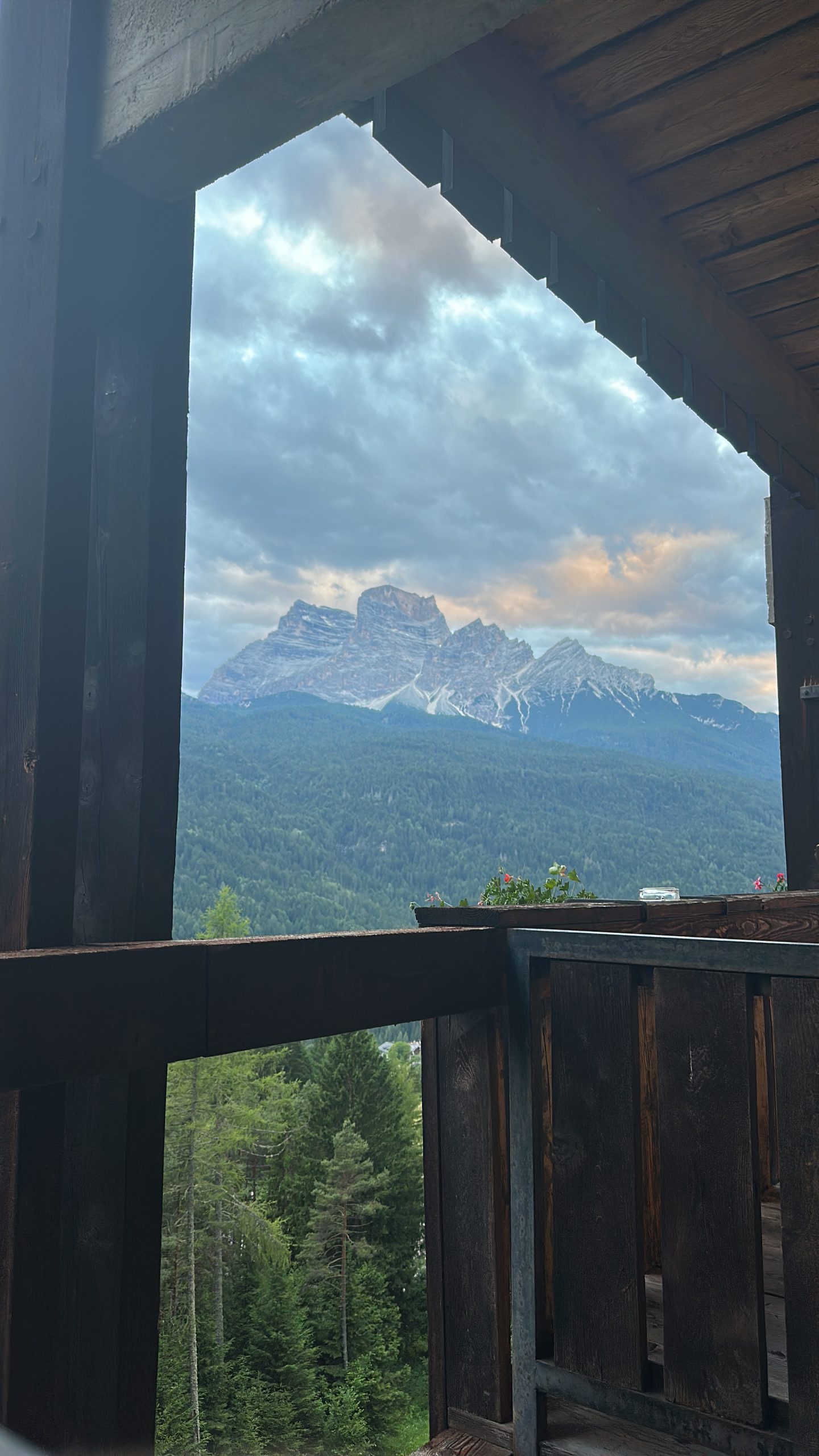
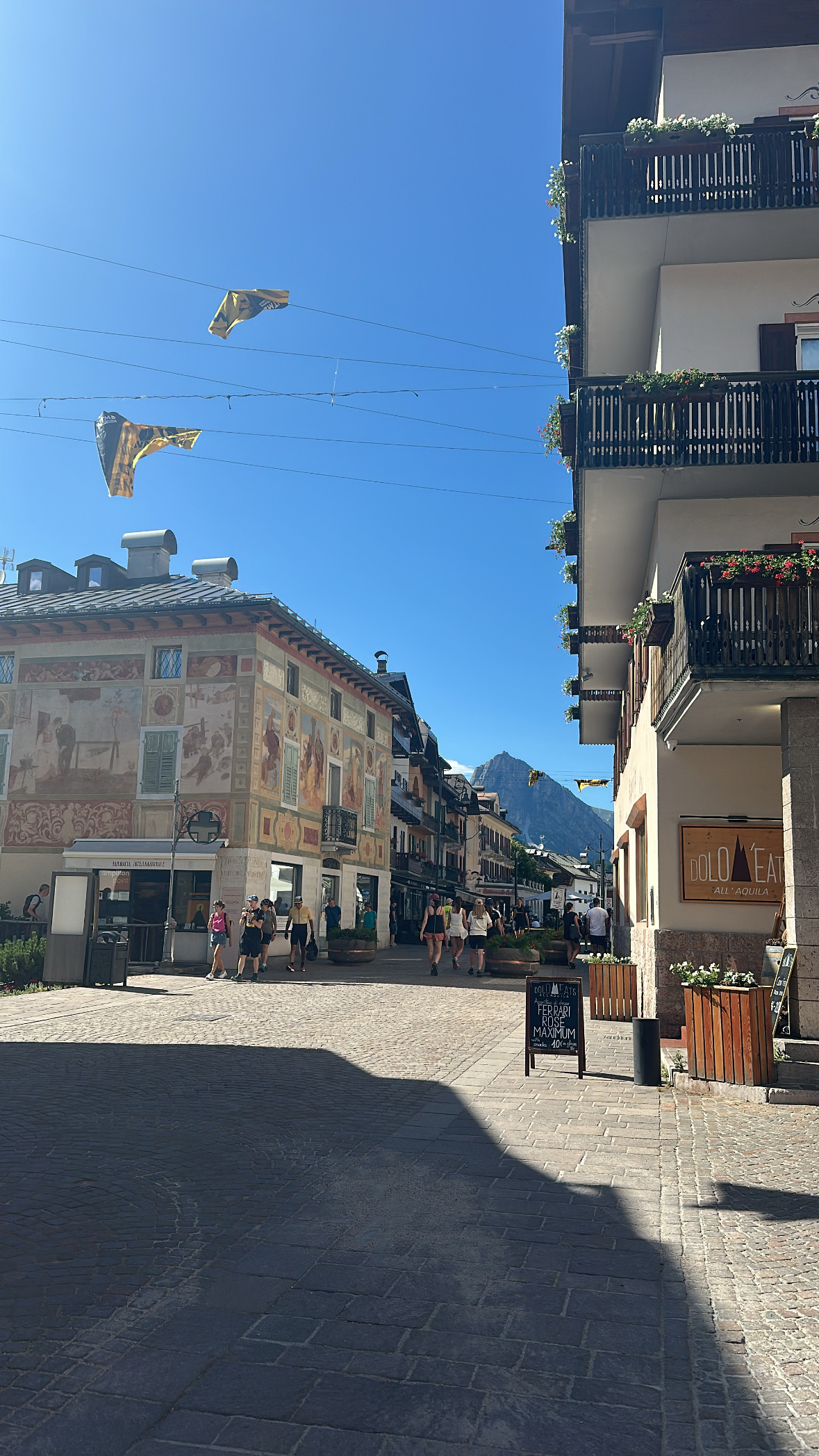
We stayed in Borca di Cadore, a small town about fifteen minutes from Cortina d’Ampezzo, the most famous destination in the Dolomites. Our accommodation was at Hotel Boite , which was not cheap and unfortunately didn’t fully meet our expectations. We later found out that the Lavaredo Ultra Trail by UTMB was taking place that weekend. Almost all hotels were fully booked, and the few available options had significantly raised their prices.
If you plan to visit this region, it’s essential to keep an eye on such events. During major races or festivals, not only do the small towns get busier, but the hiking trails can be more crowded as well. In some cases, your planned routes may even overlap with sections used by runners. Planning ahead and checking local event calendars can help you avoid surprises and secure a more relaxed stay.
Destinationsea enthält Affiliate-Links. Wenn du darüber etwas kaufst, erhalten wir ggf. eine kleine Provision – für dich entstehen dabei keine zusätzlichen Kosten. Mehr Infos in unserer Datenschutzerklärung.