
Corn Islands Nicaragua: Everything You Need to Know
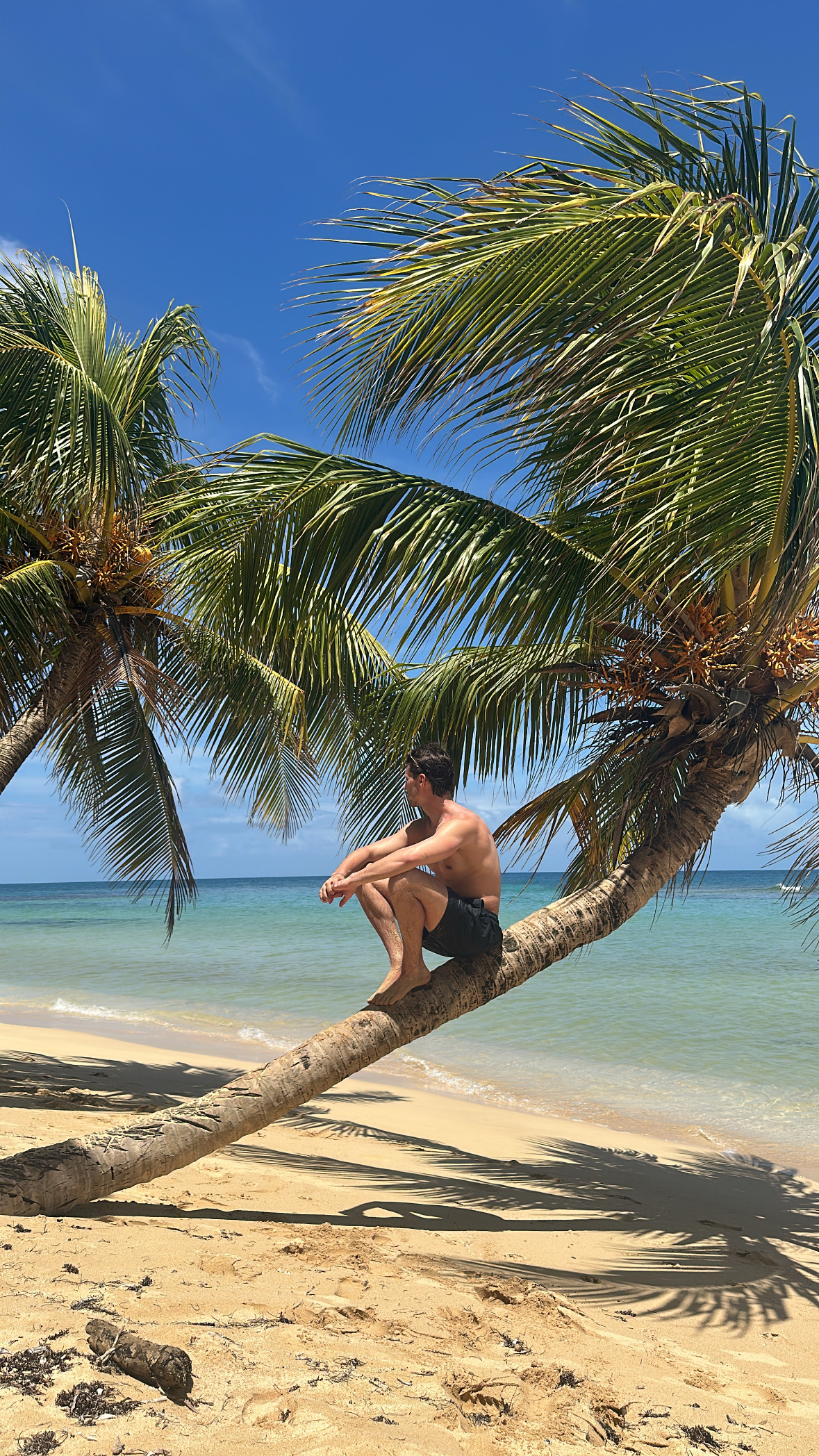
Welcome to the Caribbean! The Corn Islands are part of Nicaragua and consist of two islands: Big Corn and Little Corn. On Little Corn, there are no motorized vehicles, and the island is completely self-sufficient, giving it a particularly authentic charm. Many locals make a living from fishing and lobster catching. You can explore the entire island by foot, and it takes about two hours to walk around it. If you’re looking for peace, nature, and true island life, this is the perfect place for you. However, this also causes power outages to occur from time to time, so don’t forget your power bank!
One thing we liked less about Little Corn was the large amount of seaweed. Depending on the season, especially on the east coast, huge amounts wash ashore. It doesn’t look very appealing and can start to smell a bit unpleasant over time, but on the other hand, it’s also just part of the island experience.
Big Corn is much larger, more urban, and offers more infrastructure. Still, you’ll find stunning nature and beautiful beaches here as well. We were especially impressed by the long, white picture-perfect beaches, which truly make your stay feel like a Caribbean dream. Both islands offer great opportunities for snorkeling, diving, or simply relaxing by the sea, though Little Corn’s remoteness and tranquility make it a particularly unique experience.
Big Corn vs. Little Corn
In our opinion, Big Corn is underrated. Many travelers head to Little Corn mainly for the “castaway” feeling and skip Big Corn. However, overall we actually found Big Corn even more beautiful. We preferred its white sandy beaches and clear water. Our conclusion: if you’re making the long journey out here, you should definitely visit both islands. We spent four days on Little Corn and three days on Big Corn. The best time to visit is during the dry season from November to May, with February to April being the sunniest and driest months. Details about our entire Nicaragua itinerary and other important tips can be found in the Nicaragua round trip blog.


Best Things to Do on Little Corn Island
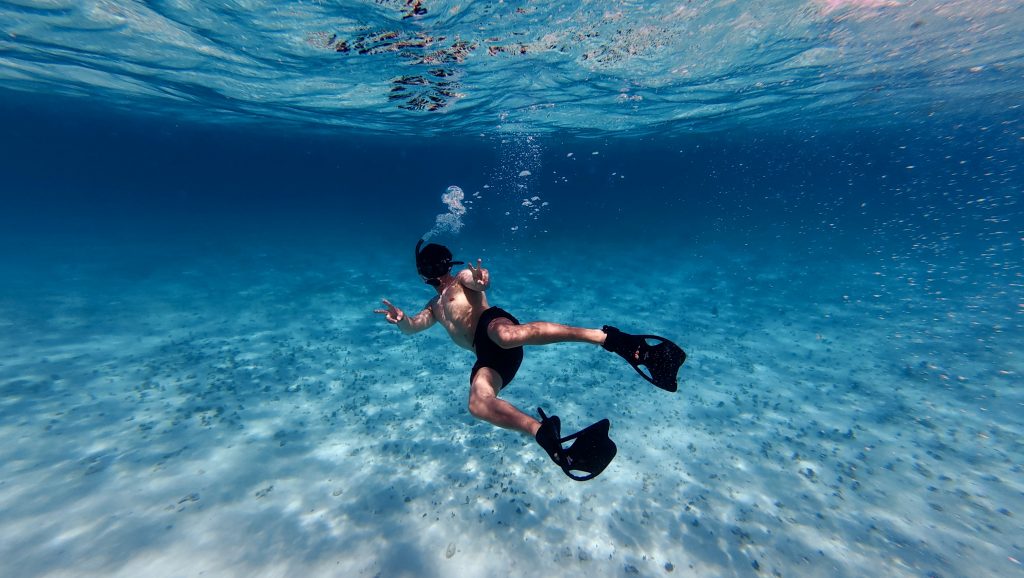
On Little Corn Island, everything revolves around the ocean and nature. The island is surrounded by reefs, making it the perfect place for snorkeling and diving. Since many marine animals are active at night, most dive shops offer special night dives. Since these tours are very popular, it’s worth booking in advance.
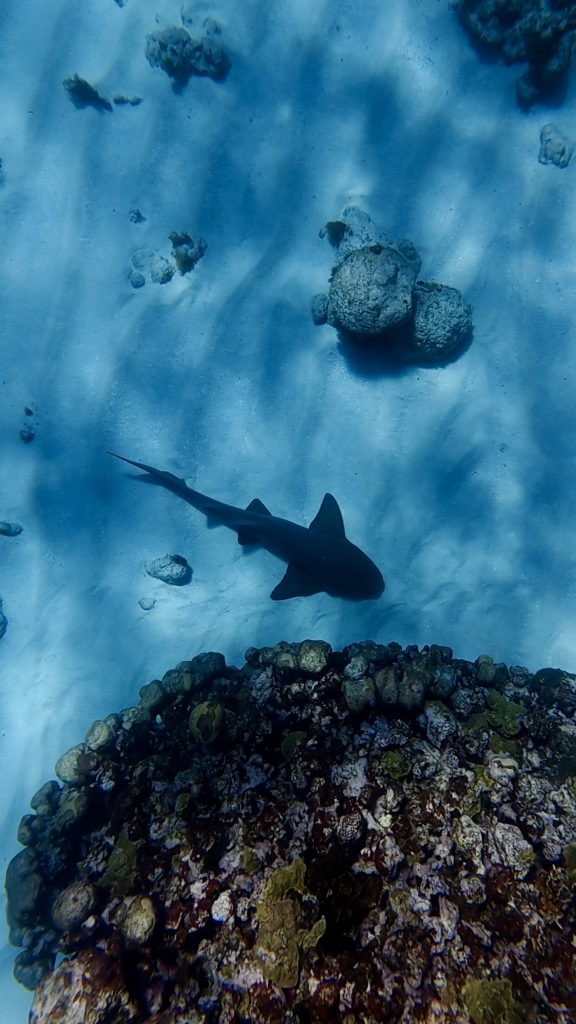
We did a private snorkeling tour for approx. 25€/person, which lasted about two hours, with a local guide, Elvis, and his brother. They picked us up by boat, right at the shore of our accommodation, and dropped us off there again afterwards. We were completely alone during the snorkeling tour and saw an incredible amount of marine life, including but not limited to turtles, mantas, nurse sharks and lobsters.
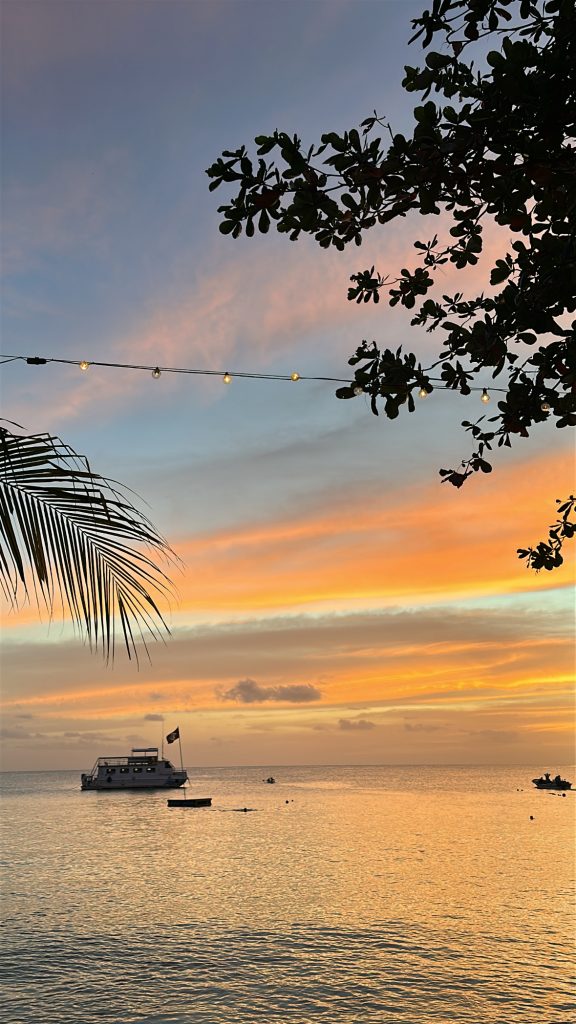
Elvis really knows the area and exactly where to find the animals underwater. The best way to reach him is via WhatsApp (number below). As you might expect, Little Corn also has plenty of beaches that are perfect for swimming and sunbathing. The sunsets here are especially beautiful as well.
What to Do on Big Corn Island
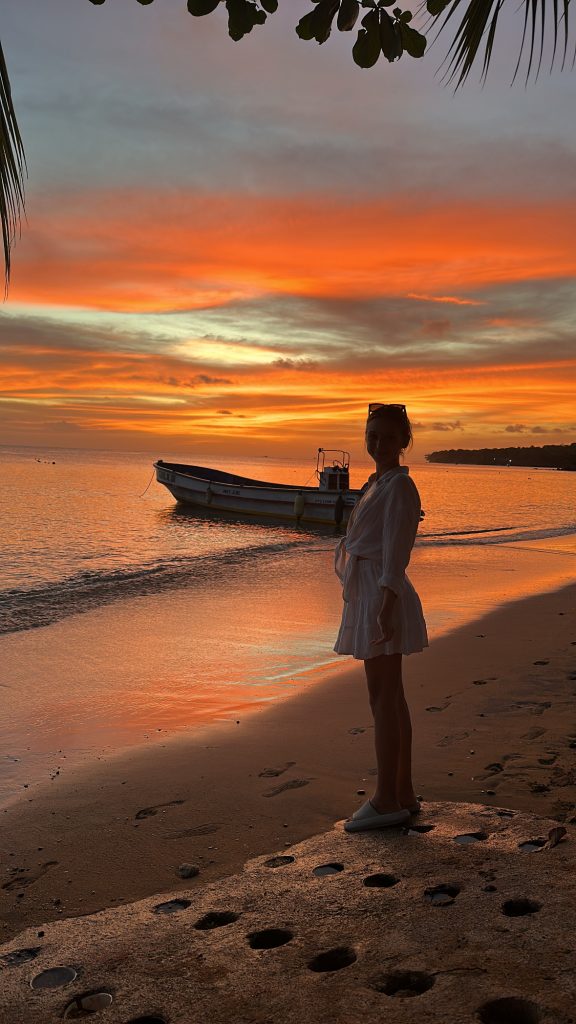
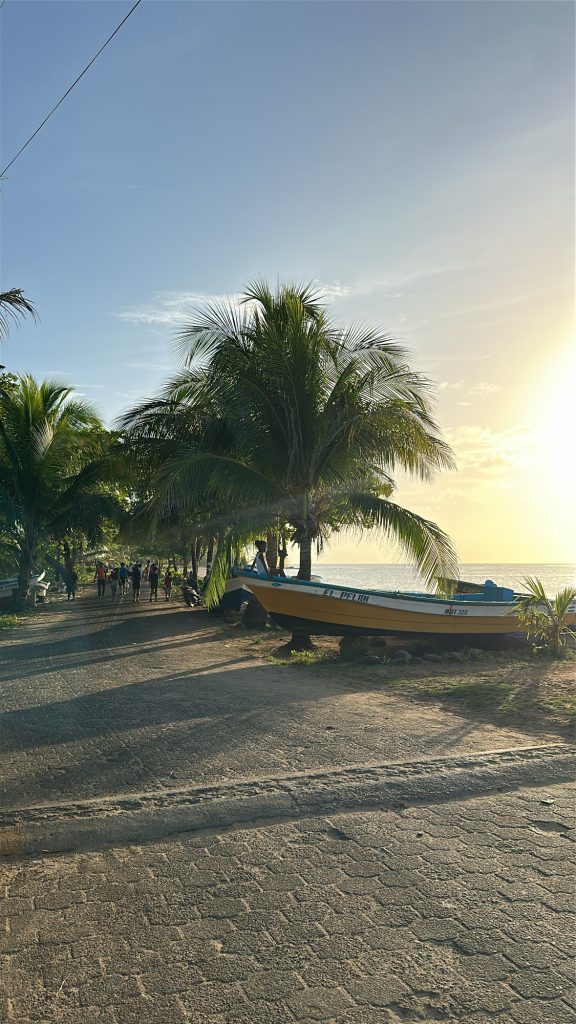
On Big Corn there is a bit more variety as the island is larger and more urban than Little Corn. Of course, snorkeling and diving are also very popular here. We especially enjoyed the long walks along the coast and through the small villages, where you can experience local life up close. The sunsets are incredible and look picture perfect. Taking a scooter around the island is also a must. Scooter rental prices are slightly higher than usual (around 30-35€/day), but that shouldn’t prevent you from doing it for a day. We also think it is enough to rent it just for a few hours as the island isn’t that big. Scattered across the island, there are plenty of great viewpoints, beaches, and cafés where you can make a short stop.
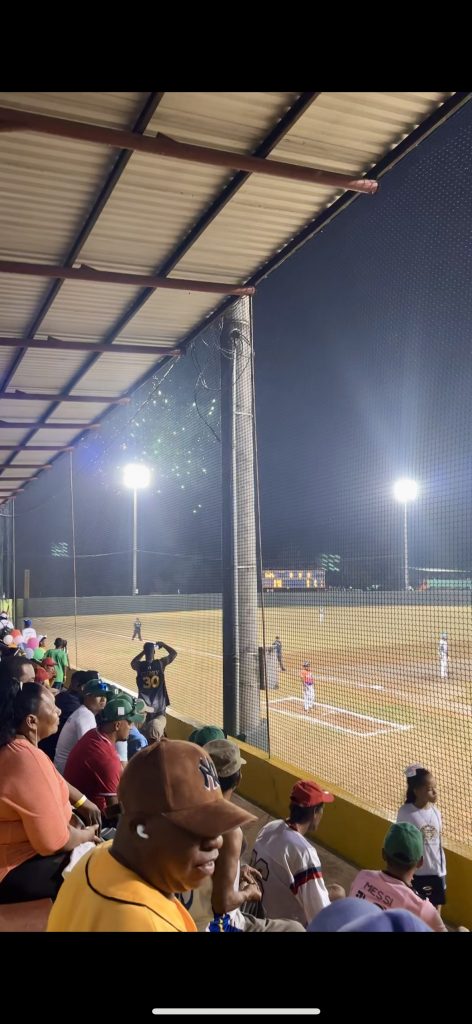
One of our highlights on Big Corn was attending a baseball game in the stadium. During our stay, the Caribbean Baseball Series was taking place. For the first time in 14 years, the tournament was held again on the Corn Islands. A total of 15 teams from the northern and southern Caribbean coast competed against each other. The stadium was completely full, and it felt like nearly every island resident was there. Small, local food and drink stands were everywhere, there was music, and above all: a fantastic atmosphere. It was a truly local experience that brought us closer to the local island life than almost any other activity. Of course, the tournament is not held at all times, but there are always chances to catch games throughout the year.

Restaurants & Local Food Corn Islands
On Little Corn Island, the culinary options are limited but especially authentic. The many small comedores and beachside restaurants serve incredibly fresh lobster and other seafood at very affordable prices. An absolute must-try is the traditional island dish Rondón, a hearty fish stew made with coconut milk, cassava, sweet potatoes, bananas, and fresh fish or seafood that perfectly captures the flavors of the Caribbean. Keep in mind that preparation can take some time, and you may have to wait 1.5 to 2 hours. Most restaurants therefore offer the option to pre-order the dish.
There are also simple cafés serving breakfast, such as sandwiches or porridge, which are perfect for a relaxed start to the day. If you want to enjoy authentic food right by the sea, Little Corn is the place to be. However, your expectations should also be realistic: the island’s isolation is partly reflected in the simplicity of the food and the duration of preparation. So a lot of patience is often required here.
Little Corn
Big Corn


Where to Stay on the Corn Islands?
Our Stays on the Corn Islands
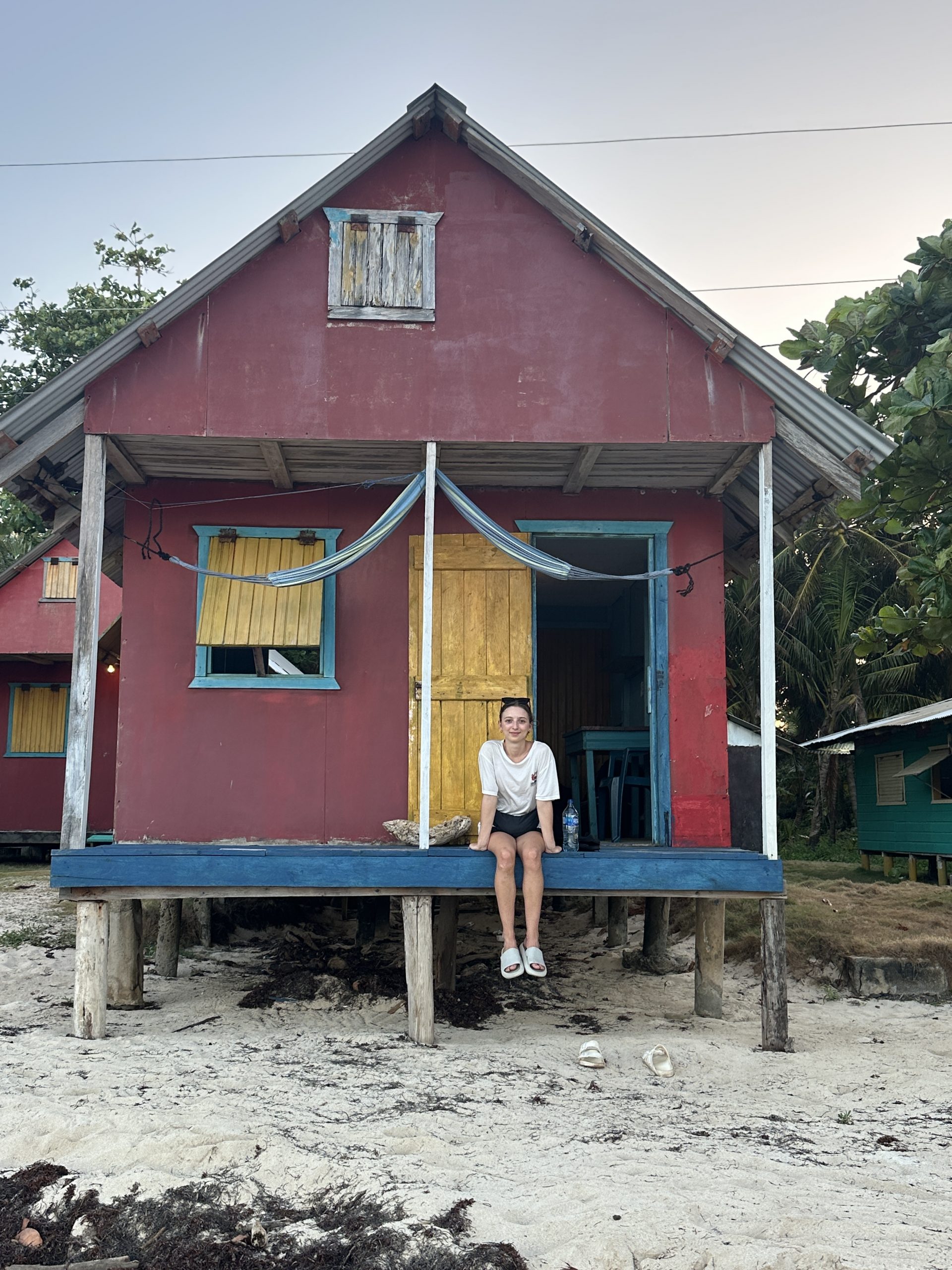
Our accommodation on Little Corn Island was Sunrise Paradise/Carlito’s Place. With just 30€ per night, it was certainly one of the cheaper options on the island, but as a result, also very basic. To be fair, it was actually too simple. The accommodation was nothing more than an 8-square-meter wooden cabin on the east side of the island, off the beaten path, and the service was not particularly good. While it was directly on the beach, the shore was full of seaweed and the ocean was very loud at night but you have to keep the windows open as there is no air conditioning and it gets too hot otherwise. Additionally, after arriving at the dock, you have to walk about 30 minutes to reach the place with your luggage.
On Big Corn, we stayed at the Paraiso Beach Hotel. The accommodation had much more to offer, including its own beach bar and even a restaurant. It is located conveniently near both, the harbor and the airport, making arrivals and departures very easy and includes breakfast. Additionally, the hotel is right on Paraiso Beach, which has beautifully clear water and a white sandy shore. Of course, there are more luxurious options available, but in the end, we were very satisfied with our choice and can definitely recommend it.
Alternative Stays for Every Budget Little Corn
If we would come again to Little Corn, we would definitely book an accommodation on the west side of the island as it puts you closer to most of the restaurants and is also on the sunset side. On the east side, however, you can enjoy the sunrise, reach the beautiful beaches in the north faster and it is often perceived as more calm as there is simply not much around.
In general, the accommodations are rather simple, but there are also some more luxurious options, which cost 100€ or more per night. Keep in mind that the walk to these places can also be relatively long, though some of these accommodations may be able to pick you up by boat. As there aren’t many accommodations on the island we recommend booking early.
Alternative Stays for Every Budget Big Corn
On Big Corn, we were happy with the location and found the beach section of our accommodation to be one of the most beautiful. You can explore the island relatively easily, especially with a scooter. Therefore, we recommend that you simply choose the accommodation you like best. If beachfront location is important to you, that’s also a good decision factor. We also recommend booking early on Big Corn, as there aren’t many accommodations here either.
budget-friendly € mid- range €€ more upscale options €€€How to get to the Corn Islands and around?
How to get there?
We flew with the airline La Costeña from Managua Airport to Big Corn Island. On the website, the flights cost around 200€ per person. Apparently, you can get slightly cheaper tickets by booking over the phone or directly at the airline’s office at the terminal. We tried that, but in the end, it didn’t really work out for us as our Spanish is limited and if you reach someone it is rather difficult and confusing. In addition, the office of the airline was already closed when we arrived in Managua and we didn’t want to come back just for that.
Therefore, we recommend to book your flights well in advance. We didn’t do it and wanted to arrange everything on-site as we heard that it is no issue to book it spontaneously. However, we ended up completely changing our travel plans because at that time (due to the baseball tournament) no flights were available which was very stressful.
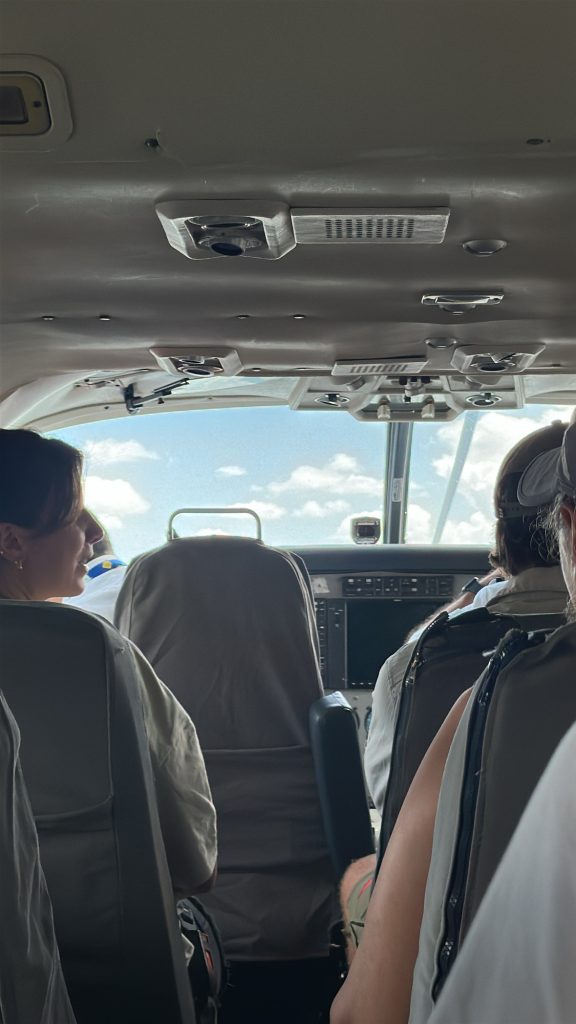
The airline has a small office to the right of the main terminal. The flight takes about 1.5 hours and is definitely not for the faint-hearted. With only 8 to 12 people on board, the propeller plane is very small and bumps around quite a bit during the flight. Due to limited seats, flights on the Corn Islands booked at the same time slot are also often split between several aircrafts. We didn’t feel particularly safe, but as soon as you leave the mainland, you are rewarded with a stunning view of the turquoise waters of the Caribbean.

How to get around on the Corn Islands?
On Big Corn, getting around is fairly straightforward. At the small airport, taxis are usually waiting to take you to the harbor for 1€–2€. From there, it’s about a 45-minute ride to Little Corn by speedboat which is usually waiting for all planes to arrive before leaving. Tickets cost around 10€-12€ per person, and the return trip works the same way: boat back to Big Corn, then taxi to the airport and onward to the mainland.
On Little Corn, everything moves at a much slower pace. Tip: arrive at the harbor a bit earlier, as the boat fills up quickly and you might have to wait for the next departure otherwise. This is especially important if you plan to fly back to Managua immediately afterwards. As mentioned, there are no motorized vehicles on the island. If you’re lucky, your hotel will pick you up with a small boat. If your accommodation is within walking distance, usually someone from the hotel will help you with your luggage using a wheelbarrow. This is normal and part of the island’s charm. On Big Corn, things are different: Taxis and scooters are available. A taxi ride is usually about 2€, which is convenient especially if you have luggage or need to cover longer distances.