
Cape Town Travel Tips: Ultimate South Africa Guide
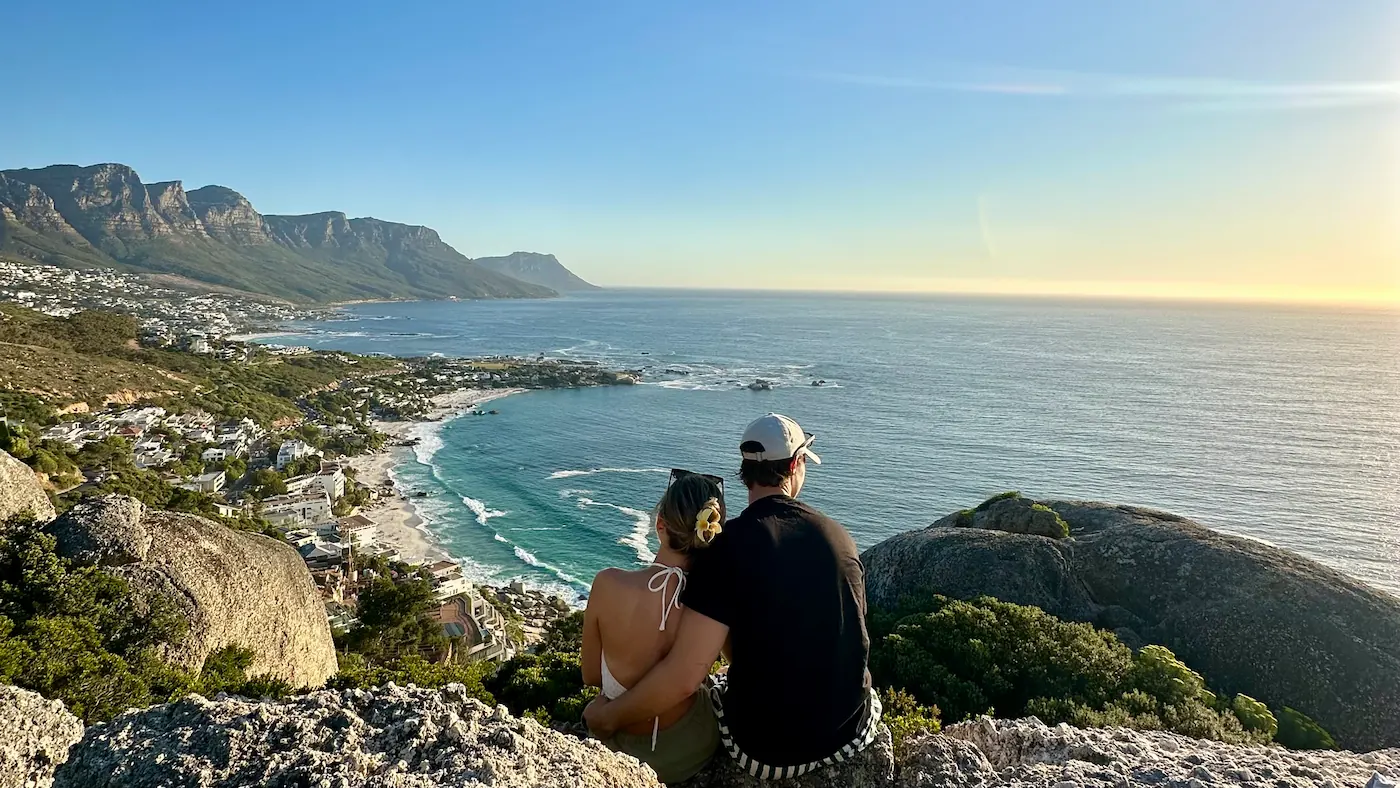
Are you planning a South Africa road trip with a focus on Cape Town? In this guide, we share our personal highlights and give you all the practical tips you need for your planning. From entry requirements and visa info to crucial safety warnings, travel costs, and the best time to visit. Here you will find everything bundled up that you need to know for your travel adventure in South Africa.
When thinking of dream destinations for road trips, South Africa is usually at the very top of the list and for good reason. It offers an adventurous mix of wild nature, rich culture, and a modern lifestyle. Between the Atlantic and Indian Oceans lie epic mountains, world-famous wine regions, and fascinating wildlife.
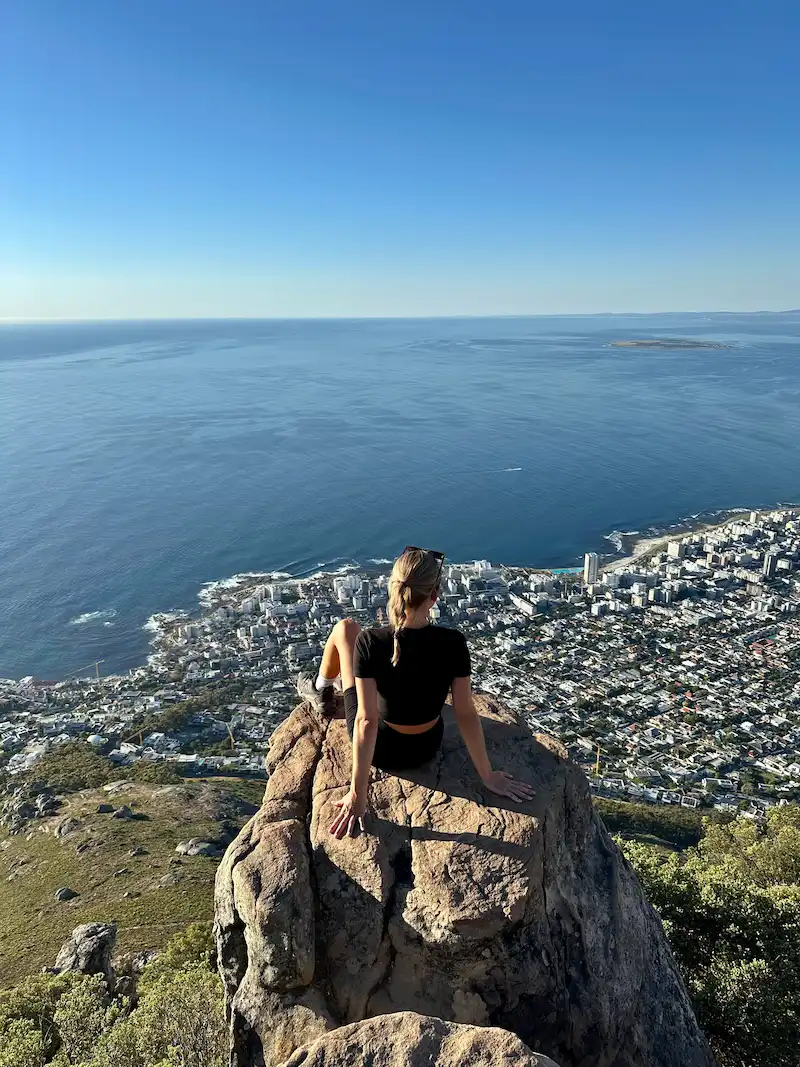
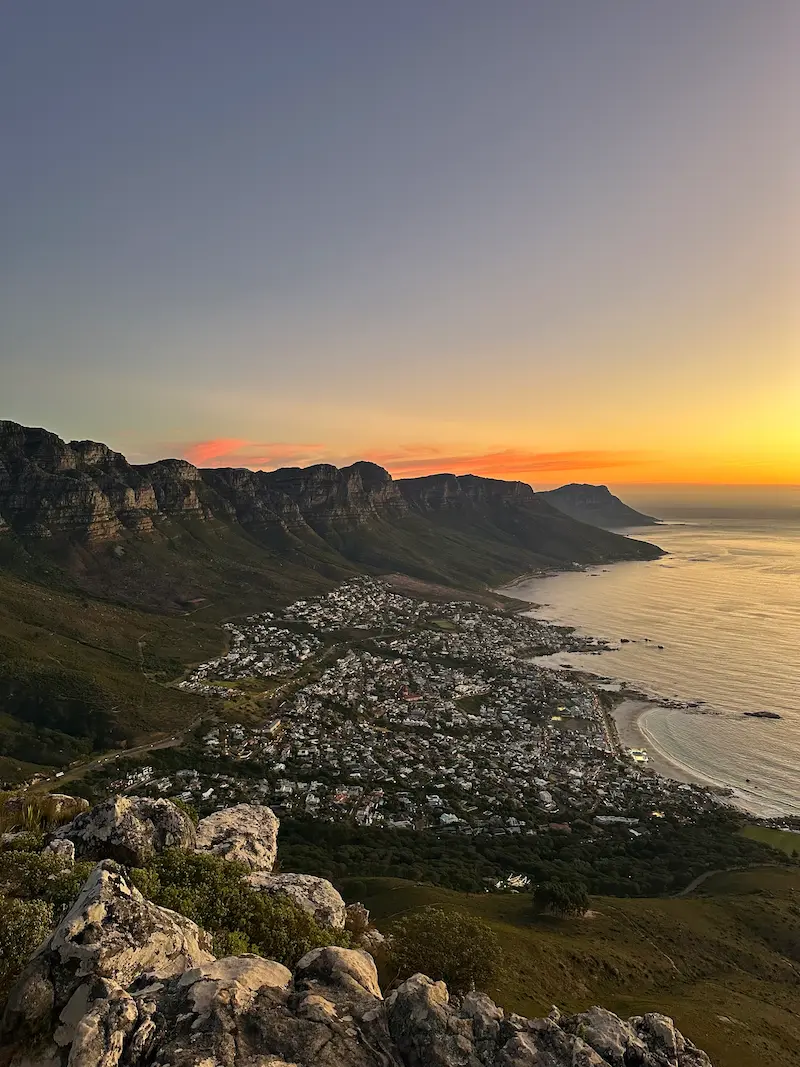
We lived near Cape Town for 6 weeks and explored a lot from the vibrant streets of Cape Town, hidden gems and parts of the scenic Garden Route. We enjoyed South Africa a lot, even though you have to get used to a few safety protocols at the beginning, and it is definitely worth a trip. In this post, we share our route, give tips on transport, safety, entry, and the best time to visit, and show you what you should know for your own travel planning.
Is South Africa worth visiting?
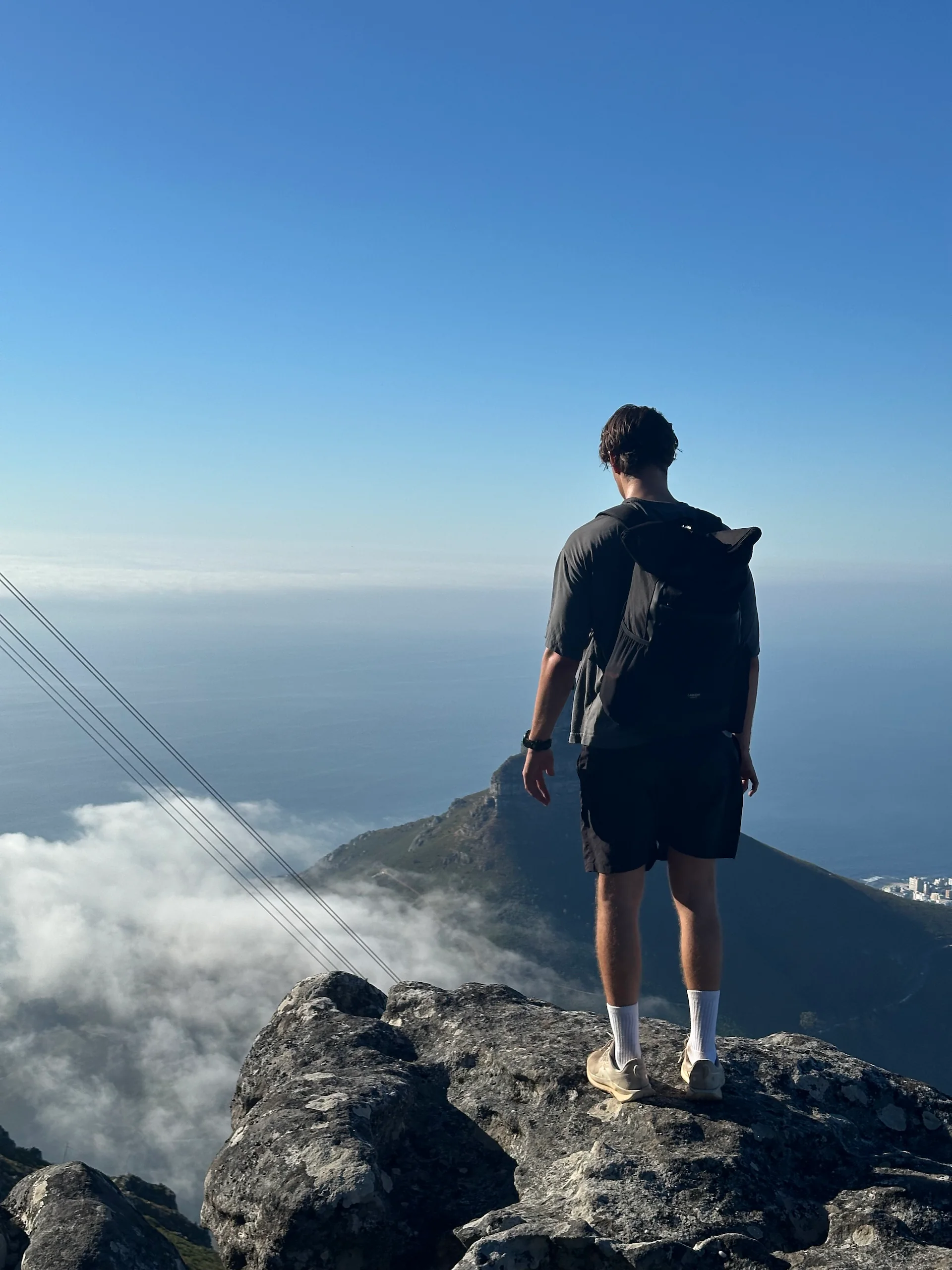
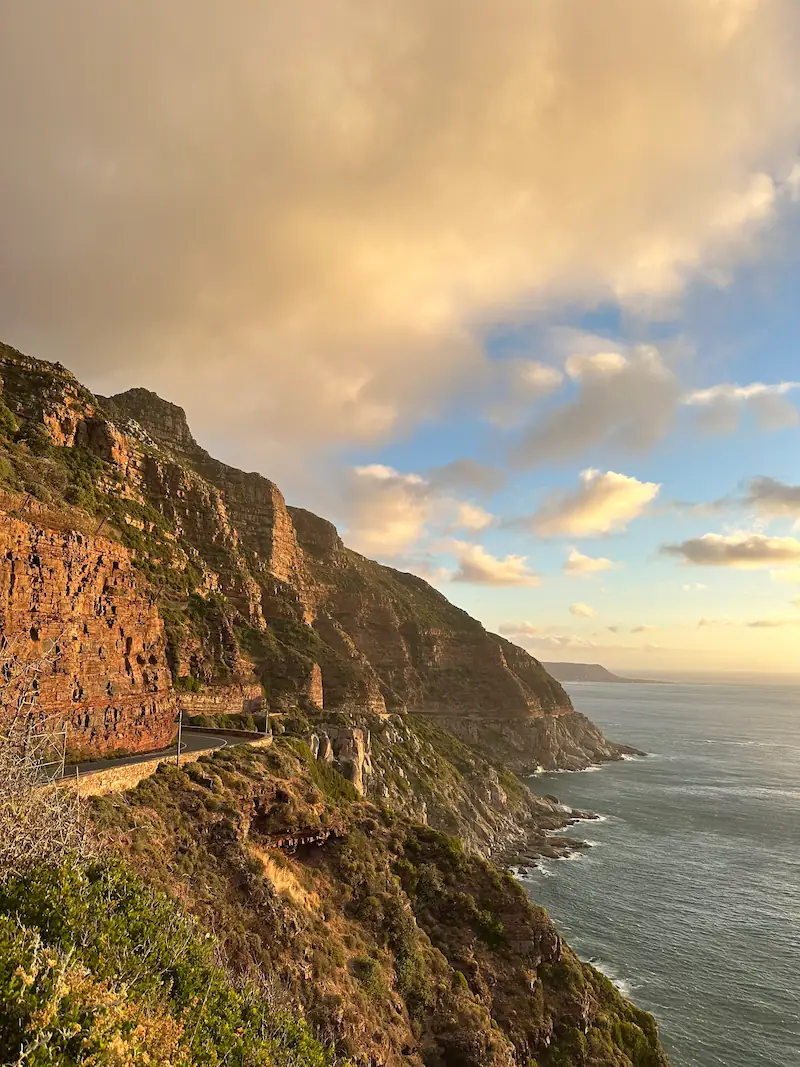
Versatile & Breathtaking: The country and activities are extremely diverse. Whether urban exploration in Cape Town, hiking iconic mountains, relaxing on dramatic coastlines, or driving world-famous panoramic roads: South Africa combines city trips, beaches, and raw nature perfectly.
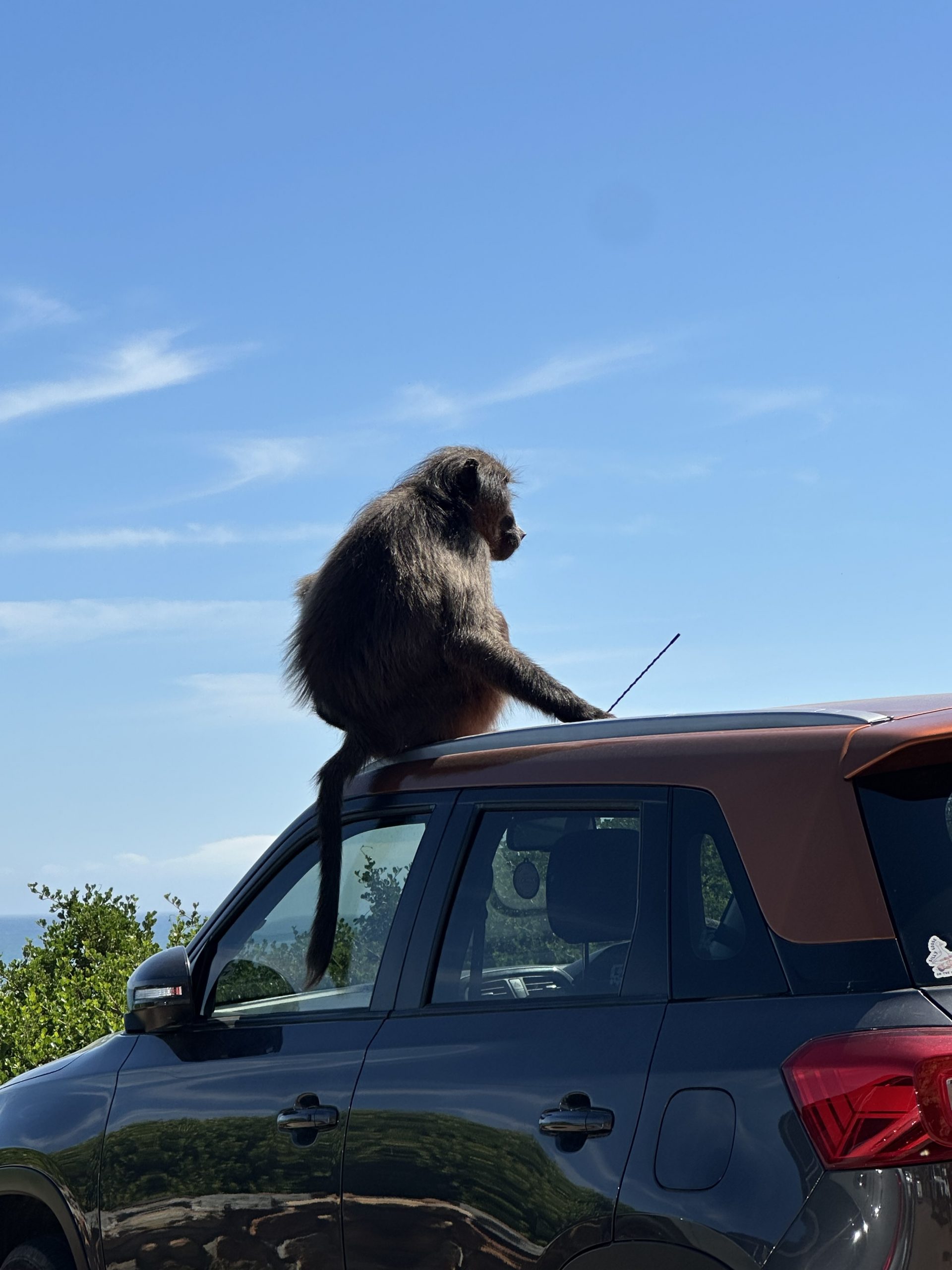
Wildlife & Safaris: South Africa is home to some of the best game reserves in the world. Besides the famous “Big Five” in Kruger National Park or malaria-free reserves along the Garden Route, you can spot penguins, fur seals, and even whales right off the coast between July and November.
Culinary & Wine: South African cuisine is a culinary melting pot offering world-class value for money. The historic wine estates around Stellenbosch and Franschhoek are top-tier in terms of scenery and taste, making them perfect for extensive tastings.
Two Oceans & Surfing: Situated along both the Atlantic and Indian Oceans, the coast offers dramatically changing impressions. While the west coast is known for freezing water and epic surf spots, False Bay offers warmer water though special caution is advised here due to marine life.
Transport in South Africa
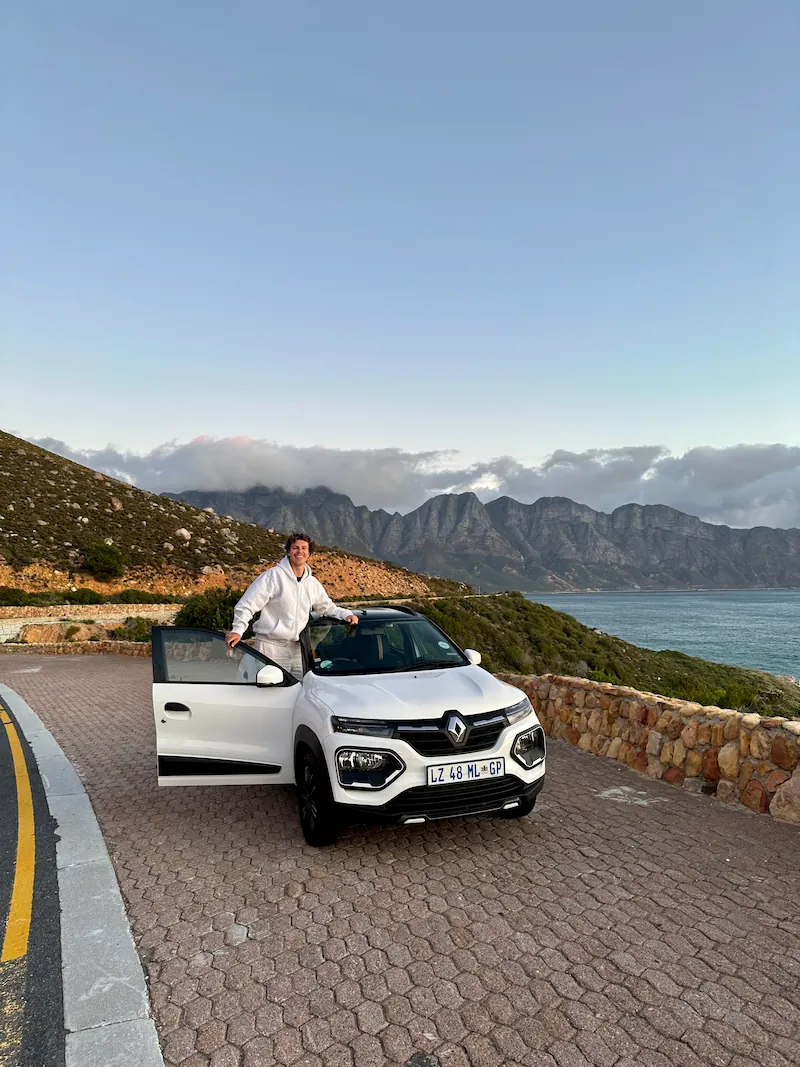
As a traveler in South Africa, you are best off and most flexible with your own rental car. The road network along the main routes and the Garden Route is mostly good developed and paved. The most important difference for Europeans: South Africa drives on the left. After a short adjustment period, this usually works without any issues. At intersections without traffic lights, a “first-come, first-served” rule often applies: whoever stops at the intersection first is allowed to drive first. This requires some concentration at first but works very smoothly in practice.
For shorter distances within major cities like Cape Town, Uber is highly recommended. The app is safe, affordable, and available 24/7. Especially for trips in the evening or after visiting restaurants, you should consistently rely on Uber instead of walking. The drivers are registered, the route is tracked, and you don’t have to flash any cash. Using unofficial, white minibus taxis is strongly discouraged for tourists, as they are frequently involved in accidents and do not meet standard safety metrics.
Another thing to keep in mind: distances on the map often look shorter than they actually are. Due to speed limits, roadworks, or mountain passes, you can spend several hours on seemingly short routes. Therefore, always plan a generous time buffer and under no circumstances drive cross-country after dark. Traffic in South Africa relies heavily on defensive driving, and that is exactly what you should prepare for.
Your Ultimate South Africa Guide
We know that blog posts are often not read in full, which is why we have summarized all the important information in bullet points at the end. This way, you can find everything you need to know for planning your South Africa trip at a single glance:
Best time to visit
Visa & Entry Requirements for South Africa
General Info
Activities in South Africa
Transport
Travel Costs & Budget
Internet & Communication
Is South Africa safe?
Security in South Africa is a complex and widely discussed topic, so we are currently writing a detailed blog post on security which we’ll link here. In advance you will find the most important points here:
Arrival in Cape Town
Language
Poverty & Social Context
Important Emergency Numbers
|
Mobile phone emergency number: |
112 |
|
Landline emergency number: |
107 |
|
Police (SAPS): |
10111 |
|
Rescue service / fire department: |
10177 / 021 535 1100 |
|
City emergency call (Cape Town): |
021 480 7700 |
|
Table Mountain emergencies: |
+27 (0)86 110 6417 |
|
Sea and mountain rescue: |
021 937 0300 |
|
NSRI (sea rescue): |
087 094 9774 |
|
Shark Spotters: |
078 174 4244 |
|
Baboon Monitors: |
071 588 6540 |