
Bali Island Round Trip: Our Route, Highlights & Travel Tips

Our trip to Bali was colorful, intense, and full of unforgettable impressions. In this blog, we share our route, honest experiences, and practical travel tips to help you plan your own Bali round trip. We spent 3.5 weeks in Bali and recommend at least 14 days, as the flight from Germany is quite long and there is so much to discover. Our route was intentionally compact, with location changes every 2 to 4 days. With more time, the trip can be more relaxed, but for us, this pace worked out very well.
In addition, you will find detailed feedback, recommendations, and destination tips in the individual posts. At the end of this blog, we have also listed more places in Bali that were recommended by other travelers or that we would have loved to visit but didn’t manage due to time constraints. This way, you can flexibly adapt your Bali itinerary to your travel time and personal interests and make the most of your Bali round trip.
Overview of all Destinations
From our point of view, Bali is easy to explore on your own. With a bit of planning, you can visit remote beaches, waterfalls and temples without relying on expensive tours. This way, your trip stays flexible, relaxed and authentic. To give you a better idea of how the island is laid out, here is a simple breakdown of the regions, each with its own unique charm:
- South: Known for its vibrant beaches, world-class surfing, and lively nightlife.
- East: Offers tranquility, beautiful temples, and fantastic diving spots.
- Center: The inland area is the cultural heart of the island and home to iconic rice terraces.
- North & West: These regions are particularly pristine, lush, and still relatively secluded.
Uluwatu
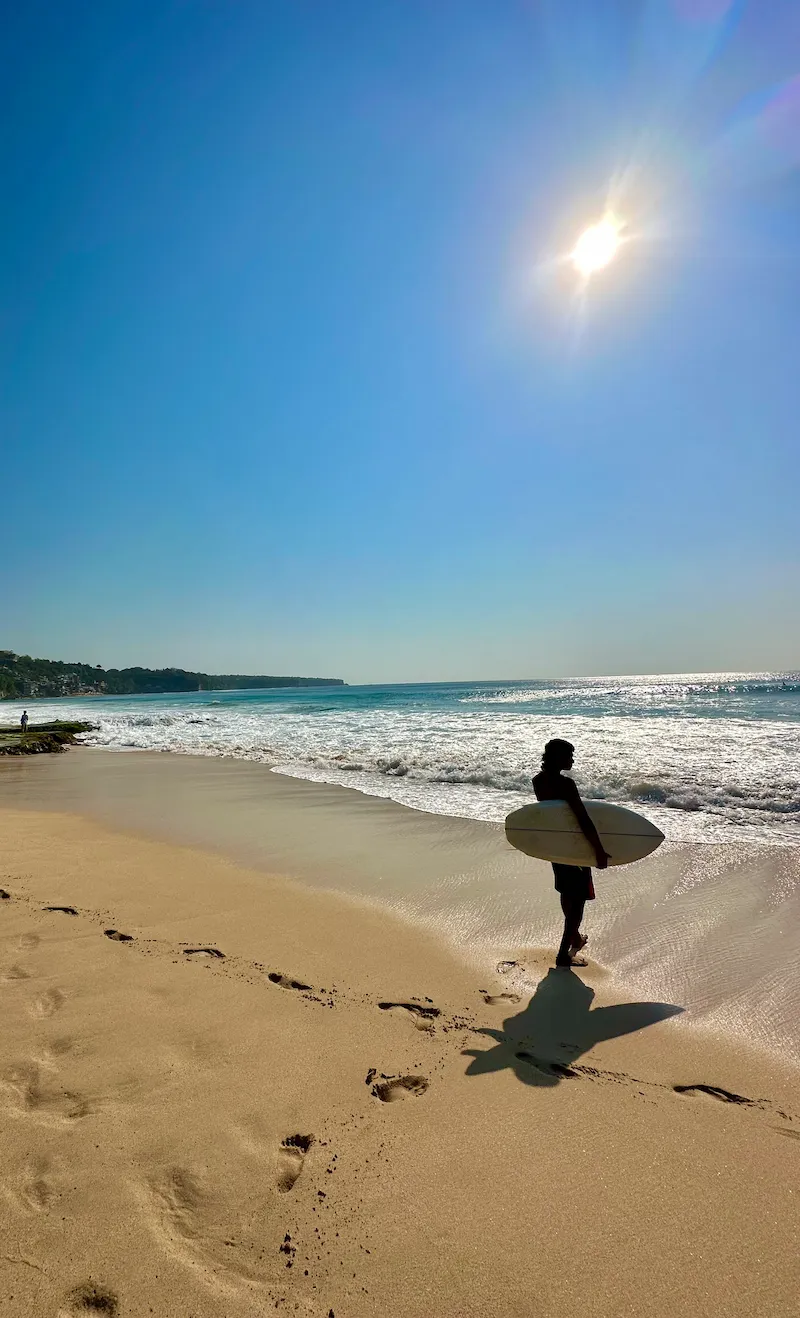
We started our journey in the south of the island, in Uluwatu. From the very beginning, the island’s relaxed and spiritual vibe immediately caught us. After the long journey, it felt like paradise and offered everything you need for a perfect start. Stunning beaches, magical sunsets, cozy cafés, and countless beginner friendly surf spots. We felt at home right away and would have loved to stay longer. Overall, Uluwatu was definitely one of the highlights of our trip.

Ubud
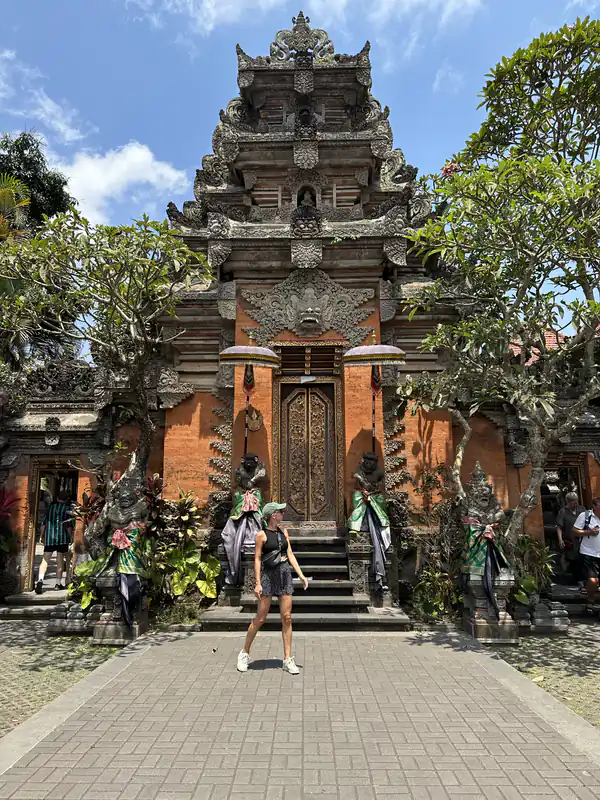
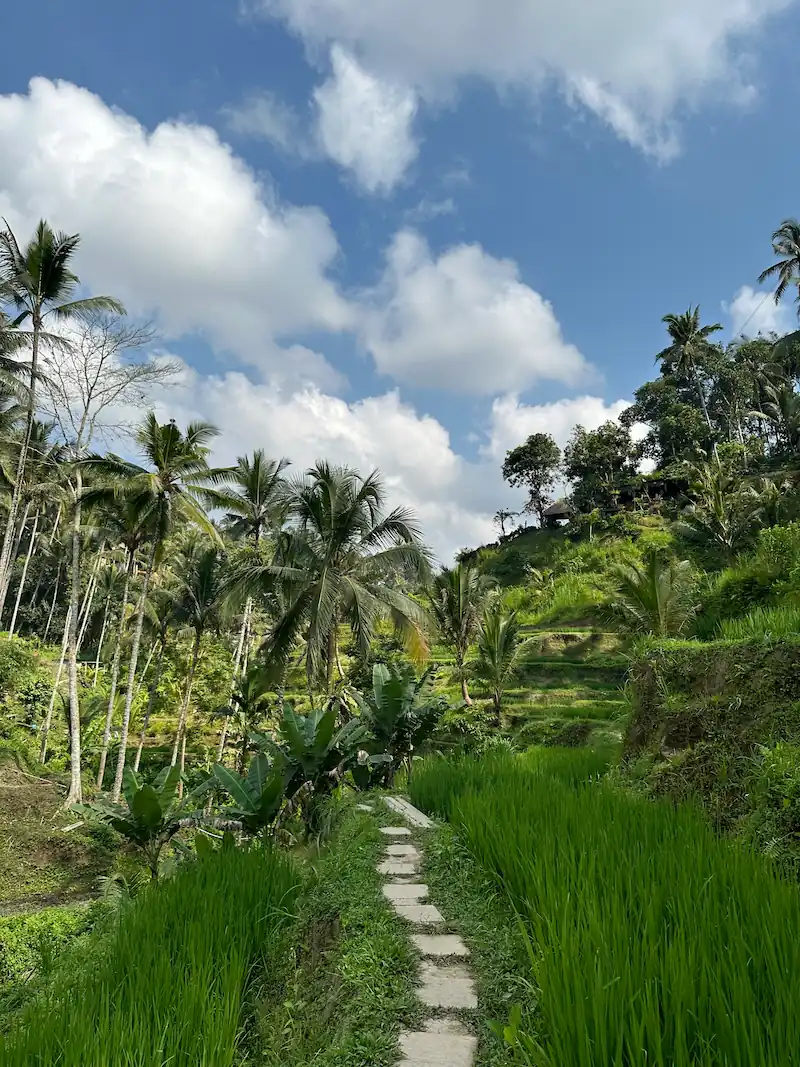
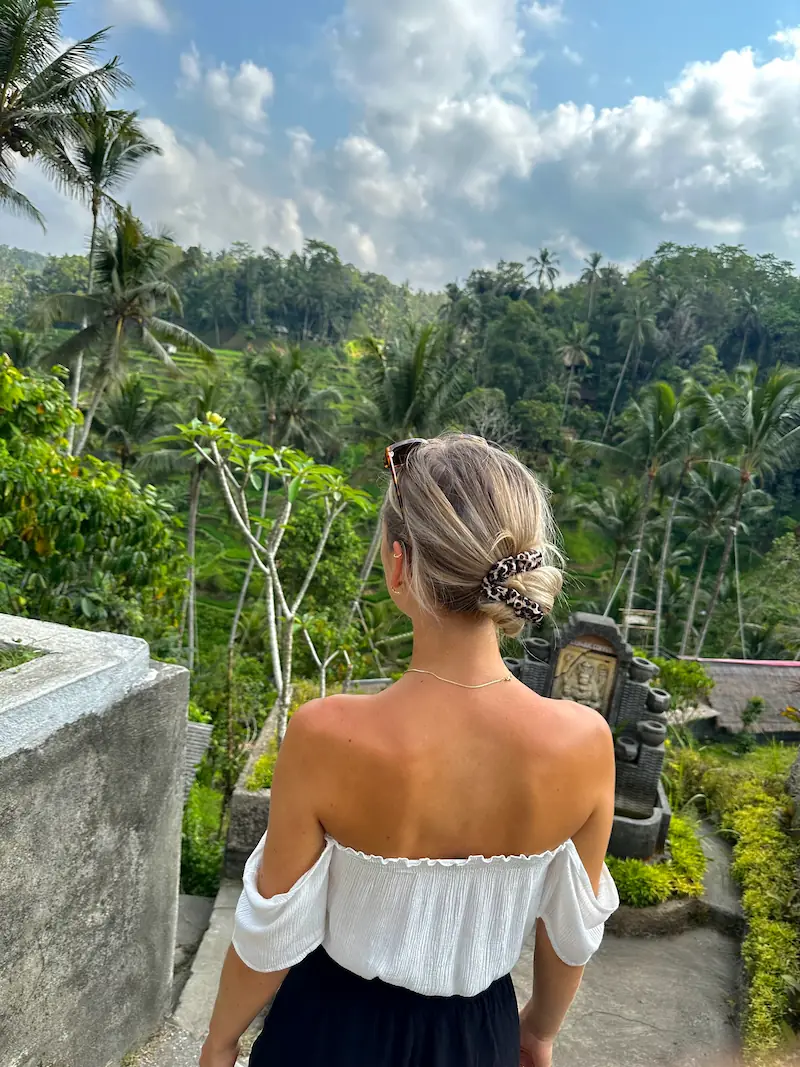
After that we headed to Ubud, which was a complete contrast for us. Compared to the relaxed vibe in the south, Ubud felt pretty chaotic at first glance. There were more people, more noise, and way more impressions, but it was still a real highlight for the culture and the scenery. Between the green rice terraces, traditional temples, and impressive waterfalls, there is something to discover at every corner. One thing is clear, Ubud is a must-see, even if in hindsight we could have spent a little less time there.
Gili Islands
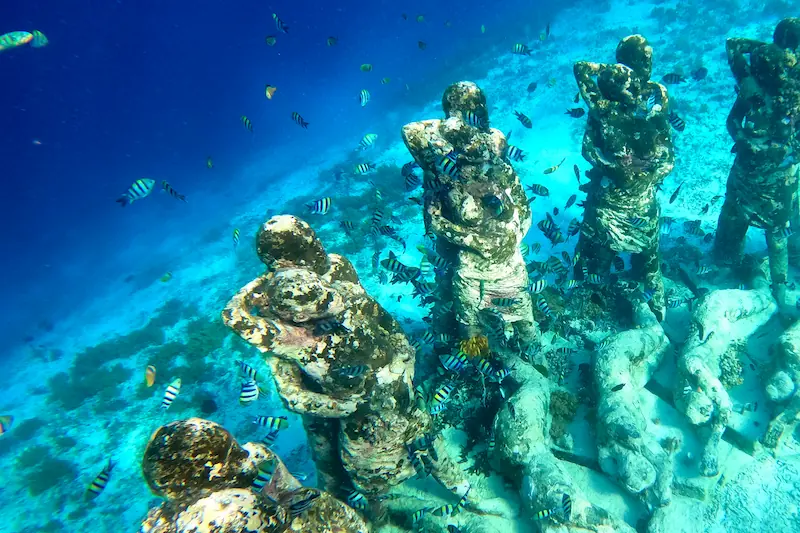
To reach the Gili Islands without any stress, we spent a night in Sanur. Sanur itself is not that special, but it is super convenient for catching the boat at the harbor. Once we arrived on Gili Trawangan, we quickly realized it is all about party, party, party. If you are looking for a nightlife scene, this is the spot, but for us it was just too crowded and loud. Even the ocean is not great for swimming because the beach is covered with dead reef in many areas. We were really happy to move on to Gili Meno a few days later. We were surprised by the total opposite there, a tiny island with only about 400 locals. It was perfect for some peace, snorkeling, and real island life. This is where you actually find that remote paradise feeling you expect from the Gilis.

Nusa Penida
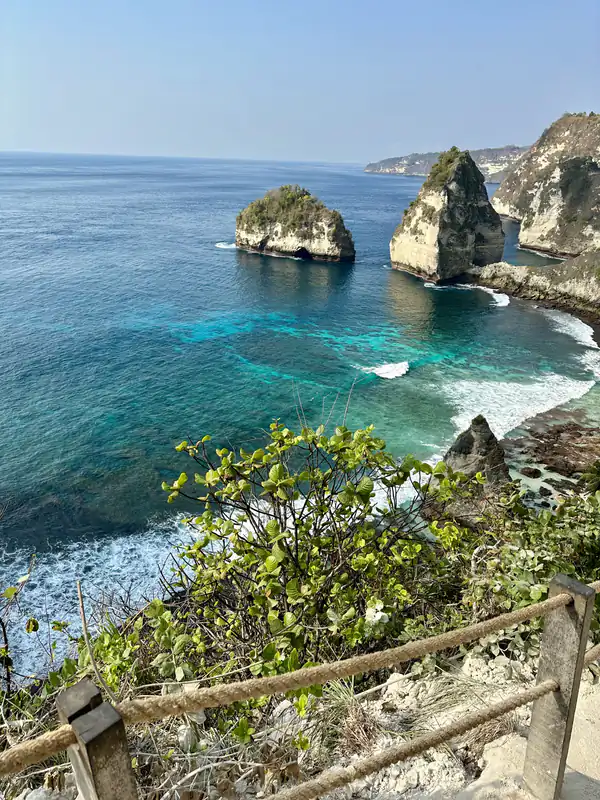
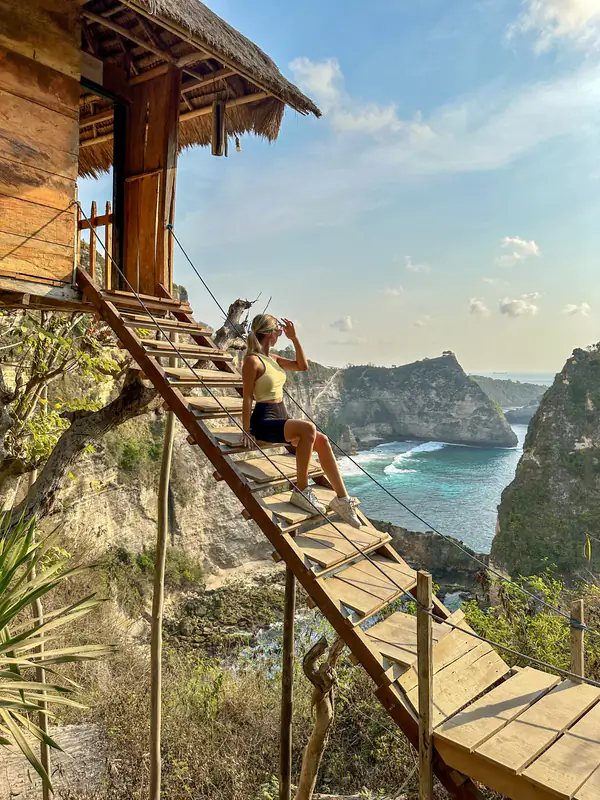
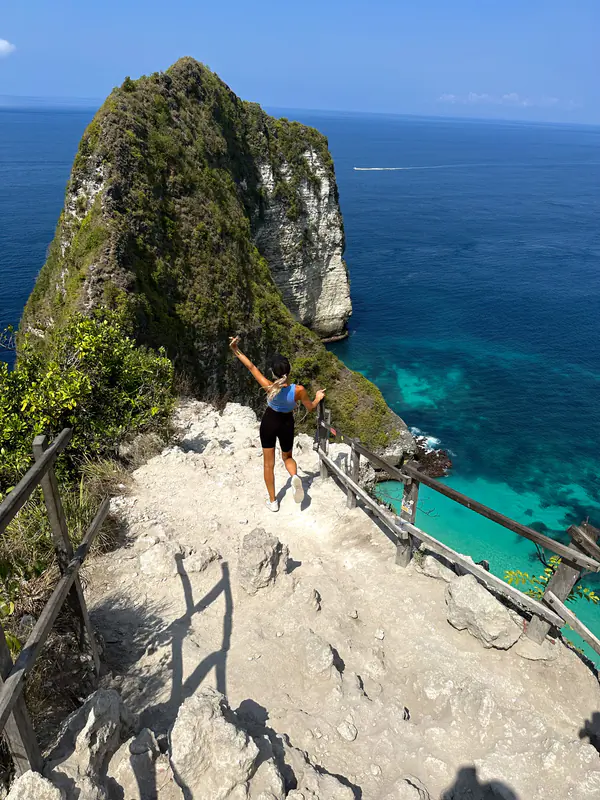
After a few relaxed days, we took another boat over to Nusa Penida. Depending on the swell, these crossings are definitely not for the faint of heart. Many travelers make the mistake of only visiting the island for a quick day trip. Luckily, we decided to stay for several days, because looking back, Nusa Penida was our second major highlight along with Uluwatu. With a bit of planning, you can enjoy famous spots like Kelingking Beach or Diamond Beach almost all to yourself. Plus, there are plenty of secluded beaches and spectacular views to discover off the beaten path.

Canggu
To wrap up our Bali trip, we spent our last few days in Canggu. With its many cafes, restaurants, and beach bars, the area is super popular with surfers and digital nomads. This means that Canggu can quickly feel hectic and crowded. Still, we found some really good spots that you can check out in the dedicated blog post.
Overall, Bali showed us how diverse the island can be, sometimes wild, sometimes relaxed, sometimes quiet, but always unique. Even though some places are very touristy, we absolutely loved the island. That is why we want to share the spots and experiences that allow you to escape the crowds and really experience the best of Bali.
How to get around in Bali
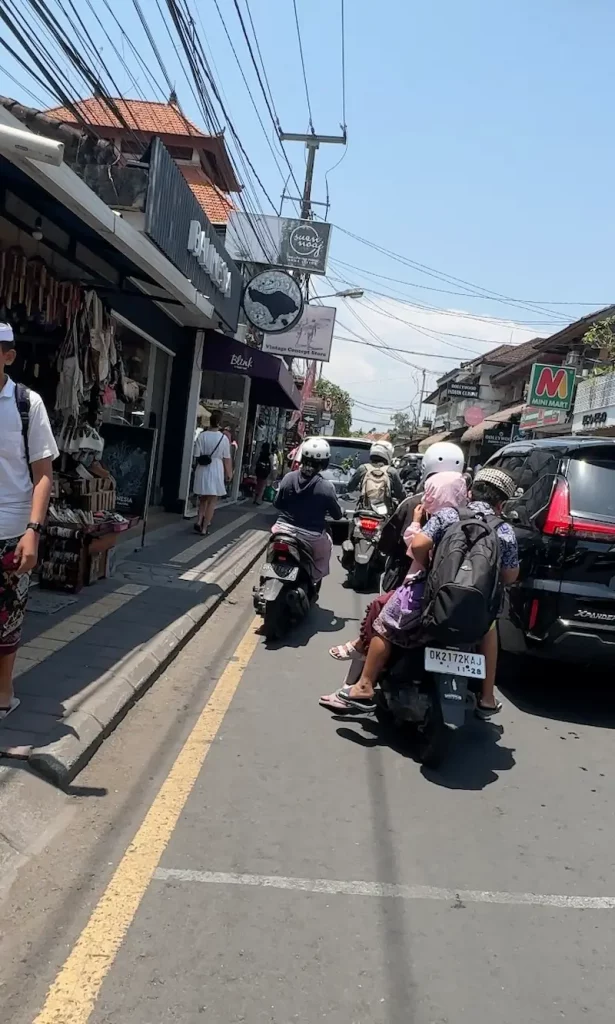
Traffic in Bali is definitely not to be underestimated and has almost nothing in common with what we know from Germany. It is loud, chaotic, and people honk everywhere, though it is usually just to let others know they are overtaking. At first this really threw us off, but after a short adjustment period we quickly got a feel for the road conditions and how things work there.
Scooter
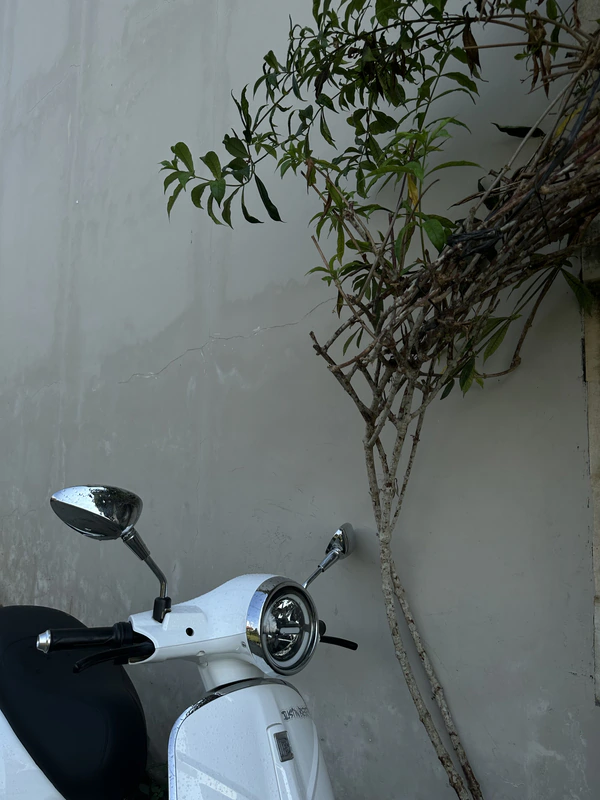
For day trips and whenever we didn’t have any luggage, we always went by scooter. It’s much faster because you can squeeze through everywhere while cars are often stuck in traffic. Plus, riding a scooter is a whole different experience, you take in more of your surroundings and reach places that are impossible to get to by car. One important thing is not to take Google Maps or other estimated times too seriously. It often suggests paths that aren’t real roads, and you can easily end up in the middle of nowhere on some random trails. Since traffic jams are the norm anyway, you should always plan for enough time to stay flexible. This way you avoid stress and can actually enjoy the ride.
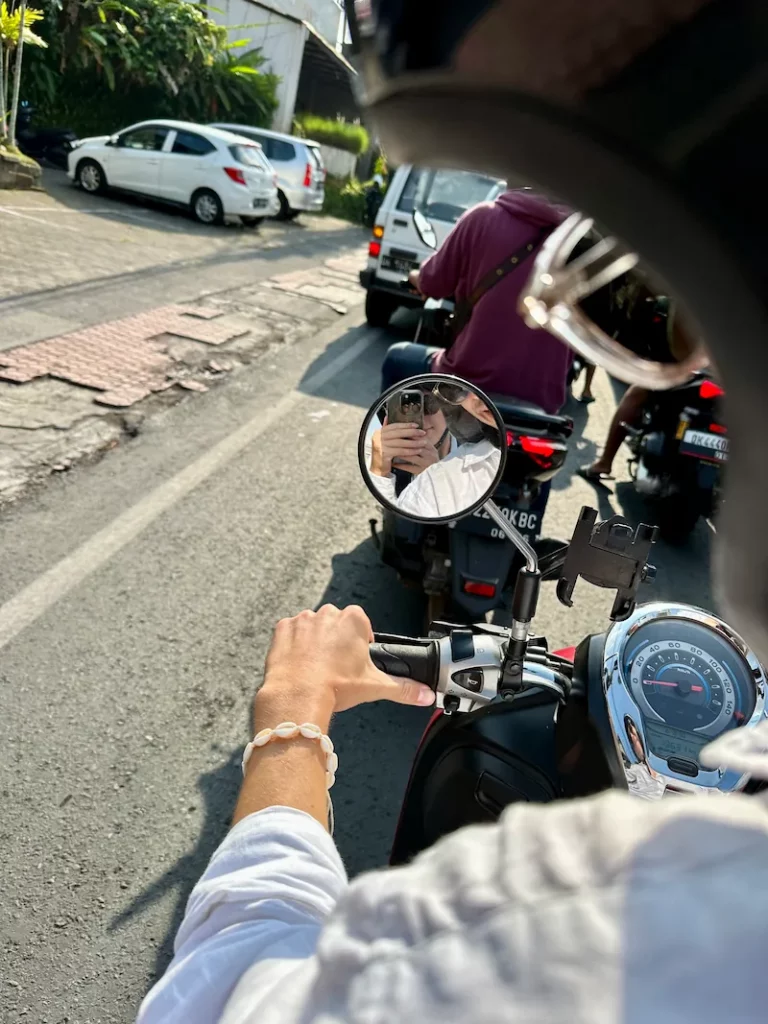
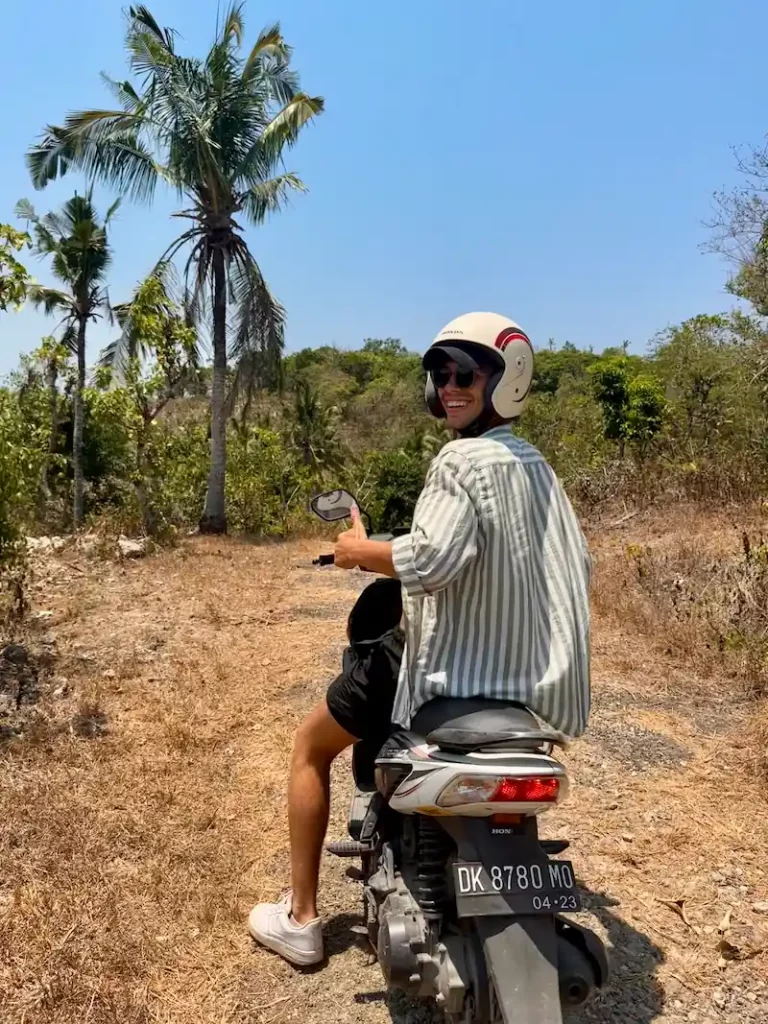
You should only ride a scooter if you feel really confident because accidents happen quite often in Bali. This is usually due to bumpy roads, rough paths, or steep sandy hills on the way to hidden spots. That is why we always recommend wearing a helmet and being extra careful, especially when exploring remote beaches or paths with less traffic. If the risk is too high for you but you still want the full Bali experience, you can easily book a private scooter driver through different apps, we will tell you more about that below.
Renting a scooter is very affordable, depending on the season and provider you usually pay between 5 and 10 Euro per day. Gas is also cheap, a full tank costs about 5 Euro. Most of the time you refuel at tiny gas stations with just one pump or at local shops that sell gas in plastic bottles by the side of the road. It is common to just fill up as much as you need and pay in cash right away. This is why we recommend always having some small change on you as most places do not take cards. Also keep an eye on your fuel gauge, even though there are plenty of places to refuel, you do not want to risk running out.
Car
For trips with luggage we used Grab and Gojek, which are apps comparable to Uber. It is best to register there before you arrive, so you can save yourself the hassle of haggling at the airport and quickly organize a cheap ride. A trip of about one hour costs around 10 Euro. However, in many public places there are exclusion zones where you cannot order a driver directly. Usually you have to walk a few meters out of the red marked area before the app can find you a driver. We made the mistake of getting talked into taking a normal taxi for our first ride and paid over 40 Euro for it. Also, the drivers often try to upsell you on extra services like day tours or SIM cards. As mentioned before, you can book both car and scooter rides through the apps.
Left-Hand Traffic in Bali
Bali has left-hand traffic, which can be a bit tricky to get used to at first. Because of that you should pay extra attention at driveways, intersections, and roundabouts, as it is easy to end up in the wrong lane. Just take it slow in the beginning and give yourself time to get a feel for the system. If you are ever unsure, it is better to let someone else go first rather than putting yourself in unnecessary danger.
Ferry & Boat
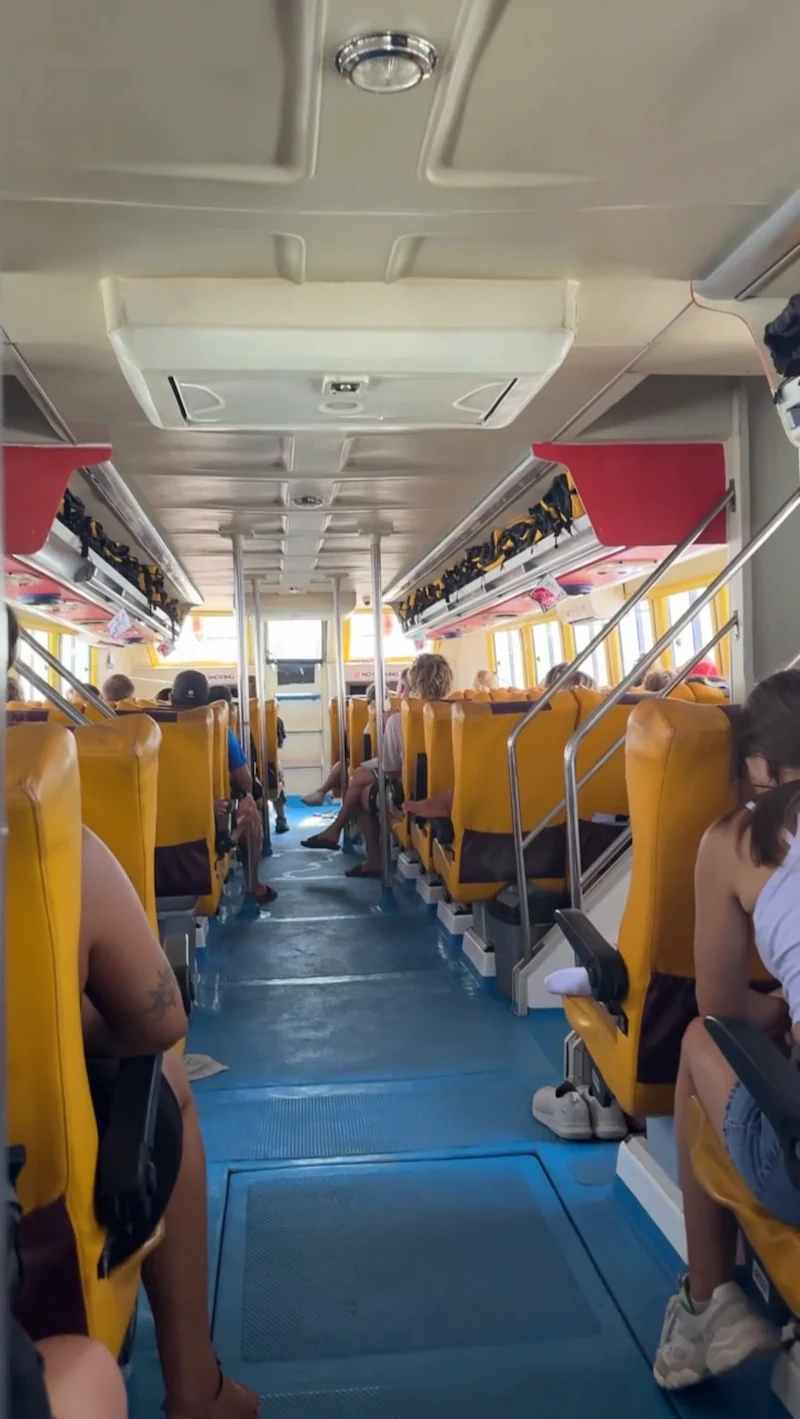
To get to the surrounding islands like the Gili Islands or Nusa Penida, you usually take large speedboats departing from Bali’s main harbors. These trips are often quite hectic and can be a bit sketchy because it gets really bumpy depending on the weather. Once you are there, you often continue with small fishing boats that you can easily arrange right on the beach. Especially on the Gilis, this is a common way to hop between islands or reach more remote beaches or reefs.

Other Things You Should Know about Bali
Before you head out, we have put together some tips that really helped us in Bali. First, you need a visa which you get directly at the airport. The Visa on Arrival costs about 35 US Dollars and is usually paid in cash, so make sure to have enough on you, though they accept most major currencies at the airport. Your passport also needs to be valid for at least 6 months when you enter. If you plan to rent a scooter, we highly recommend bringing an international driving permit. We were never actually asked for it, but it is officially required and gives you peace of mind just in case.
In smaller cafes, at street food stalls, or for scooter rentals, you can often only pay with cash. The currency is Indonesian Rupiah and the huge numbers take a bit of getting used to at first. 100.000 Rupiah is only about 6 Euro. You can find ATMs in many places, but try to use the ones in safe and busy locations. Tipping is not mandatory in Bali, but it is always appreciated. Especially in restaurants, with guides, or taxi drivers, people are really happy about a few Rupiah as a small thank you.
Something else you should know, not every beach is great for swimming. There are often strong currents, big waves, and dead corals that can be quite painful. Even if they don’t look that great, we were very glad to have our water shoes with us.
Then there is the topic of Bali Belly, basically stomach issues that hit many travelers sooner or later. Definitely avoid tap water at all costs. Nico got hit too and the medicine from Germany hardly helped at all. However, local pharmacies have good meds and electrolytes that actually work. If you want to be safe, start taking probiotics before your trip. To reduce the risk, stick to peeled fruit and avoid ice cubes. With these tips, you are all set for your Bali adventure and can focus on what really matters, enjoying the island life.
The ultimate Bali Guide
Here is a summary of the most important tips for your Bali trip. It is the perfect checklist for your preparation and is based entirely on our personal experiences. This way you are perfectly prepared and will definitely have everything important on your radar before you take off.
Travel Documents & Entry
Transportation
Costs & Money
Beaches & Ocean
Health & Wellbeing
Others