
3 Weeks in Nicaragua: The Ultimate Route & Planning Guide
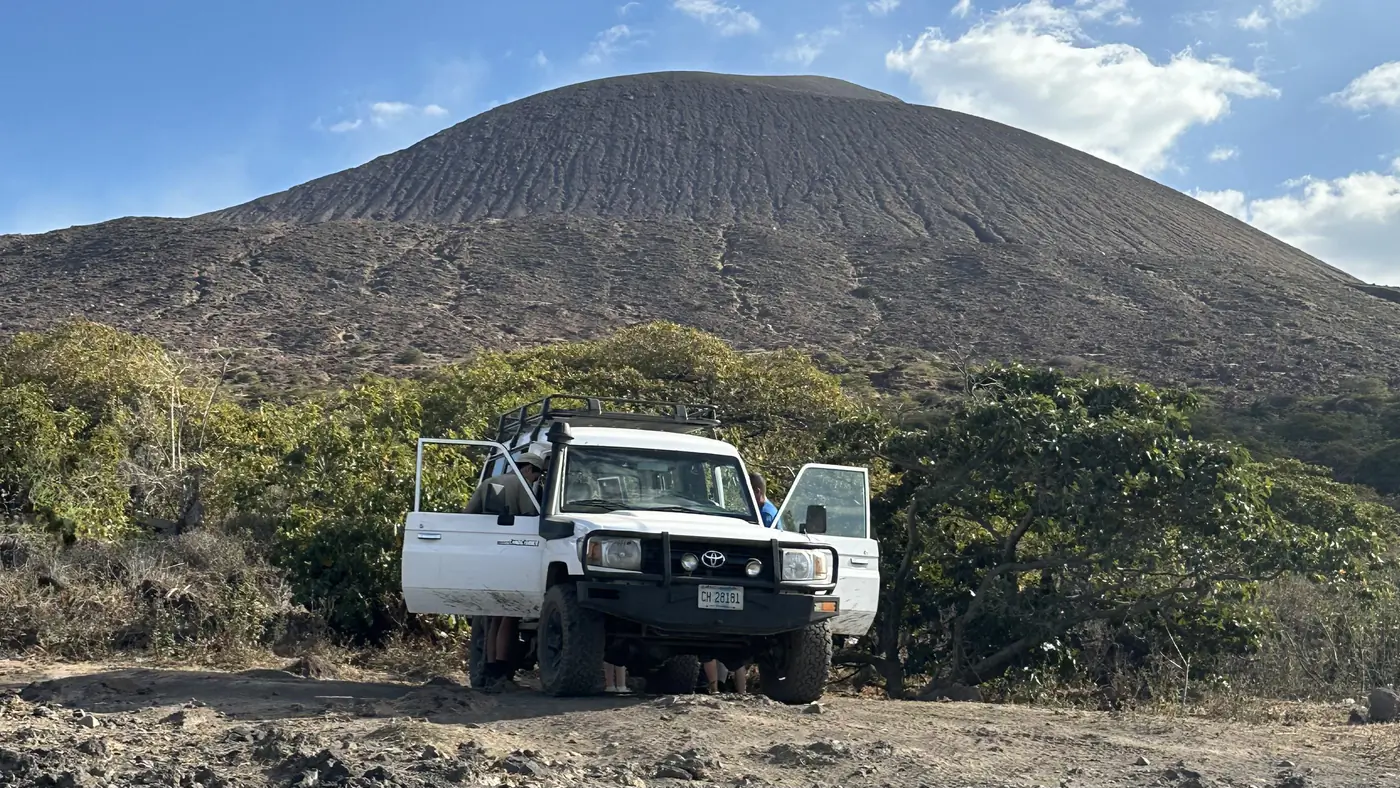
Are you planning a trip to Nicaragua? In this guide, we share our personal 3-week route through the land of volcanoes and provide all the practical tips you need for your planning. From entry requirements and visa info to essential advice on safety, travel costs, and the best time to visit. Here, you’ll find everything bundled together that you need to know for your backpacking adventure in Nicaragua.
When you think of Central America, Nicaragua may not be the first country that comes to mind and maybe that is exactly what makes it so special. It is the largest country in the region and offers an adventurous mix of nature, culture and everyday life. Nicaragua lies between the Pacific and the Caribbean coast. There you will find volcanoes, colonial cities and an impressive variety of landscapes.
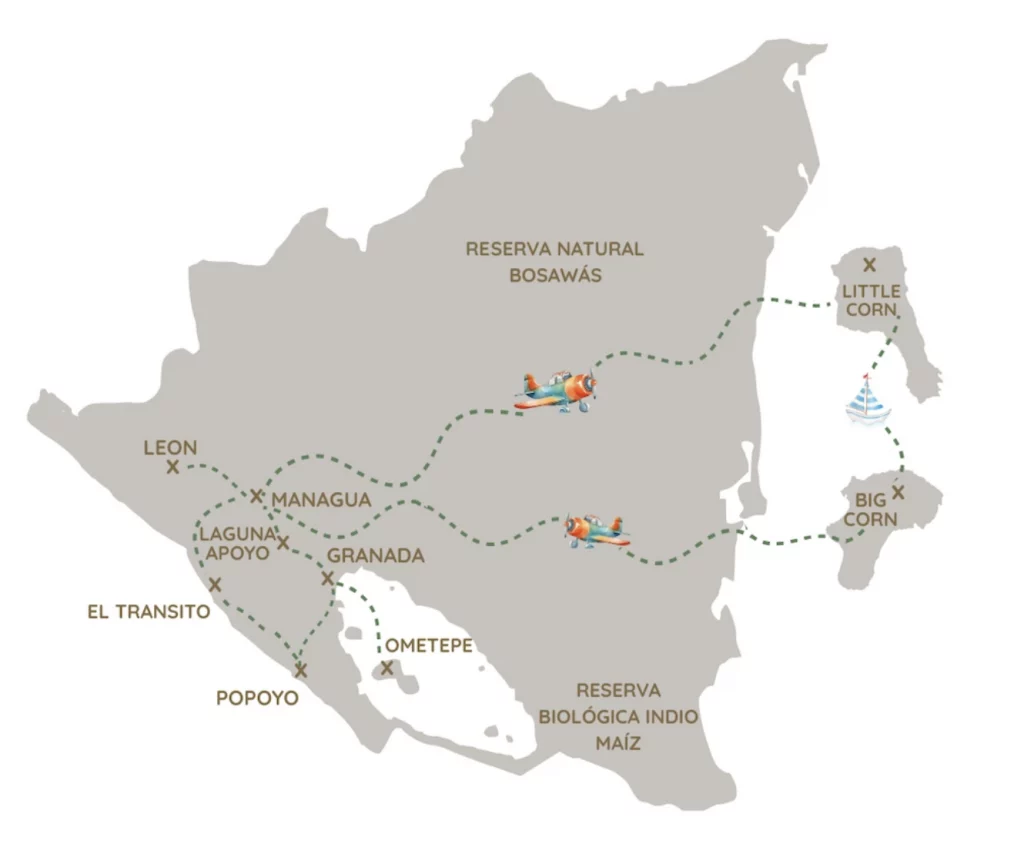
Our trip took us all the way across the country. From the lively streets of León to the calm Pacific coast and on to the white sandy beaches of the Corn Islands in the Caribbean. We really enjoyed Nicaragua, even though it took us a moment to settle in at first, and we truly think it is worth the journey.
In this post we share our route through Nicaragua, along with tips on transportation, safety, entry requirements, the best time to visit and everything you should know before planning your own trip.
Is Nicaragua worth visiting?
Budget-friendly💰: Nicaragua is one of the most affordable travel destinations in Central America. Accommodation, transport and food are cheaper than in the neighboring countries. With plenty of hostels, the country is especially popular among backpackers, but there are also more comfortable options available. So there is something for every travel style.
City vibes, beaches and nature🌇: The country and its activities are incredibly diverse. Whether you want to stroll through old colonial towns, surf at the beach or hike volcanoes, Nicaragua allows you to combine city trips, beach time and nature in one itinerary. It also has one of the largest rainforest areas in Central America.
Active volcanoes and lakes🌋: Nicaragua has more than twenty volcanoes, some of which are active. With a bit of luck, you might even see an eruption or glowing lava. There are also many lakes and lagoons. Lake Nicaragua on Ometepe Island is one of the most famous destinations and definitely a highlight of the trip.
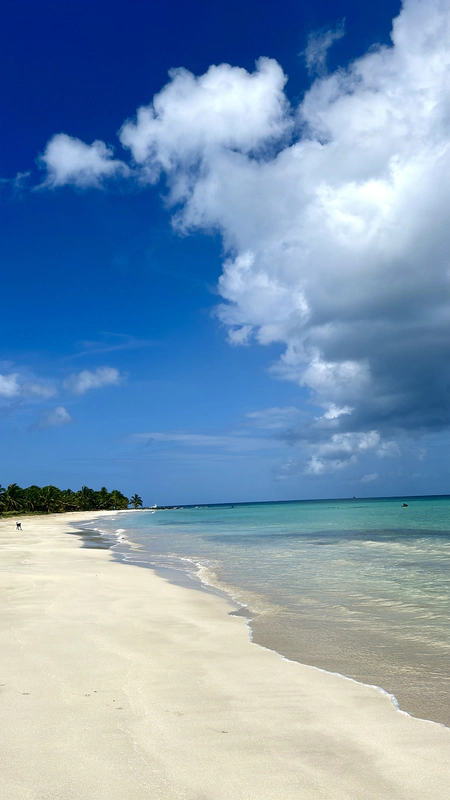
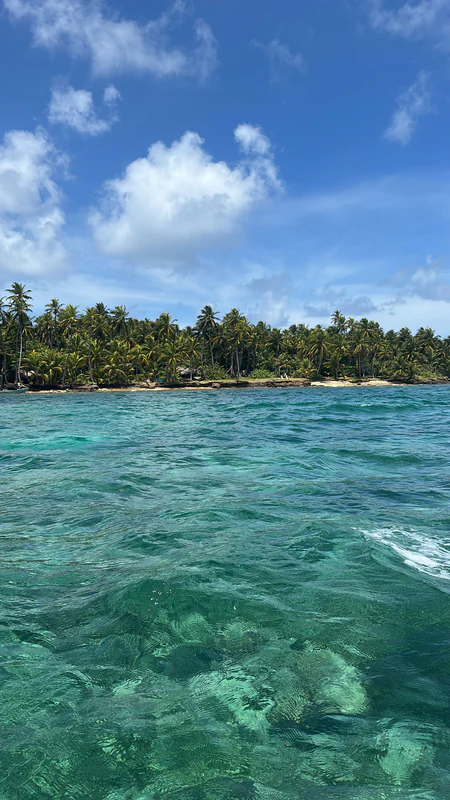
Caribbean and Pacific🌊: Nicaragua lies between two oceans, which gives the country a wide range of landscapes and impressions. On the Pacific coast, you will find some of the best surf beaches, while the Caribbean coast offers white sand, clear water, relaxation and lots of snorkeling spots. With one trip, you can experience both sides of the country and discover completely different atmospheres.
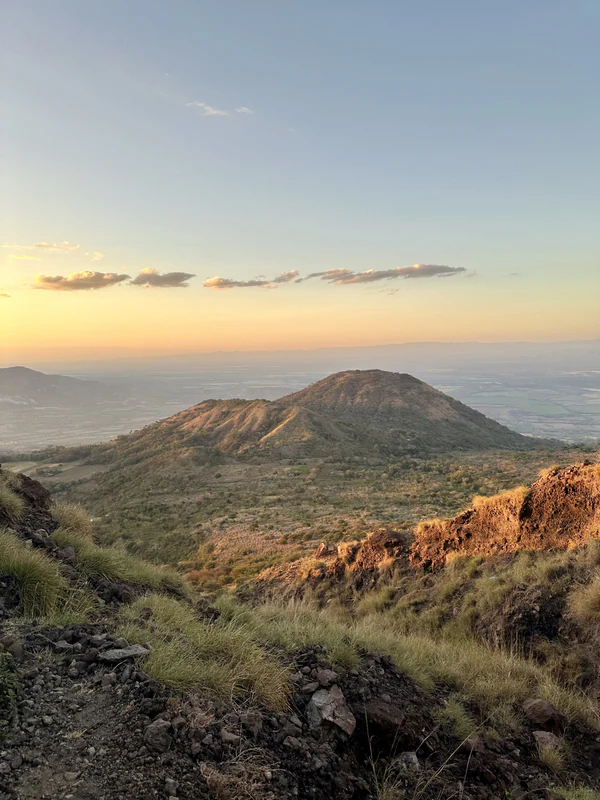
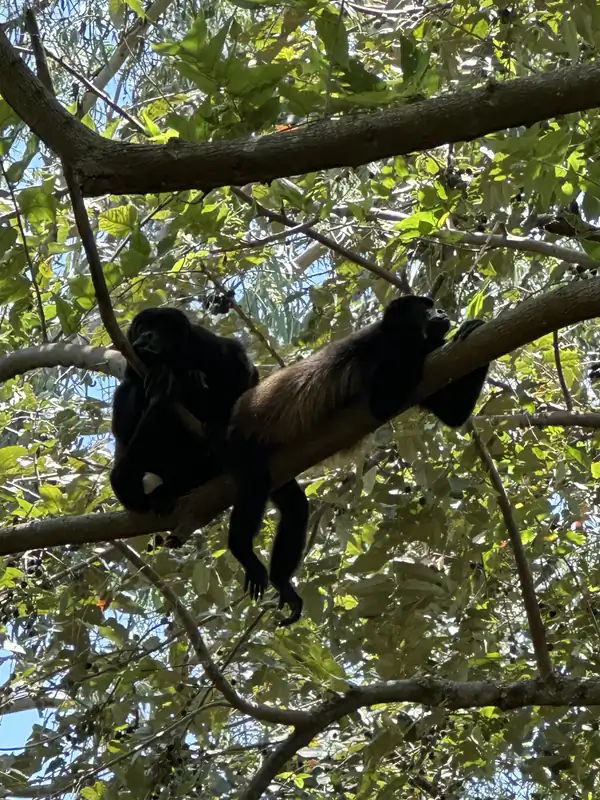
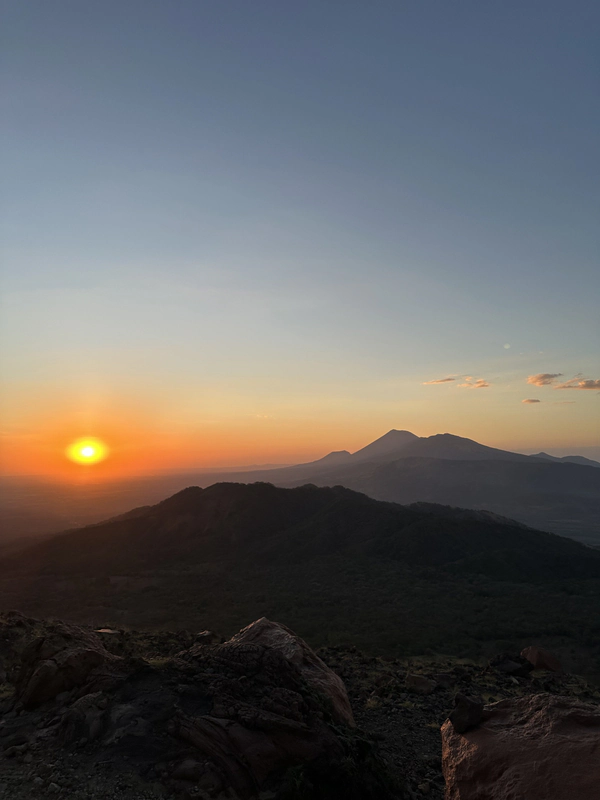
3 Weeks Nicaragua Itinerary
Our journey took us across Nicaragua from north to south. Most of the trip took place along the Pacific coast in the west, so it is most practical to plan your route from north to south. If you want to see all the highlights, you should plan at least two and a half weeks, ideally three to four weeks if you want to include the rainforest as well, which we unfortunately did not have time for. Distances between destinations can be long, so you will spend a fair amount of time in buses, taxis, or ferries. It is important to factor this into your planning from the start.
Since the country is so diverse, we tried to structure our route in a way that active city trips and relaxed beach days alternate. This gave us time to unwind before heading into the next adventure. If you prefer to head straight to the beach after a long flight, it may make sense to swap the first two stops, León and El Tránsito, and start at the coast. This way, you can start your trip more relaxed and recover from a potential jet lag.
If you bring more time, it can be worthwhile to plan a longer journey through Central America that combines multiple countries as travel time, especially from Germany, can be very long. Since the countries in the region are similar in many ways, it makes sense to explore the area in more detail. Along the way, we also met many travelers on similar routes. Most countries can be easily connected by flights or long bus journeys, and return flights from places like Costa Rica are often cheaper than from Nicaragua.
Transportation in Nicaragua
The cheapest way to get around in Nicaragua is by using the so-called chicken buses. These are old, colorful American school buses without a fixed schedule. Each bus has a clear destination, but the route can change along the way. Sometimes detours are taken or new passengers are picked up spontaneously, turning the ride into a little adventure. If you are not traveling to the final stop directly, it’s best to ask twice before departure whether the bus will actually pass your destination. This way, you can avoid getting off at the wrong place or ending up stranded in the middle of nowhere. For less-known or remote destinations like El Tránsito it also makes sense to ask the driver to let you know when you arrive.
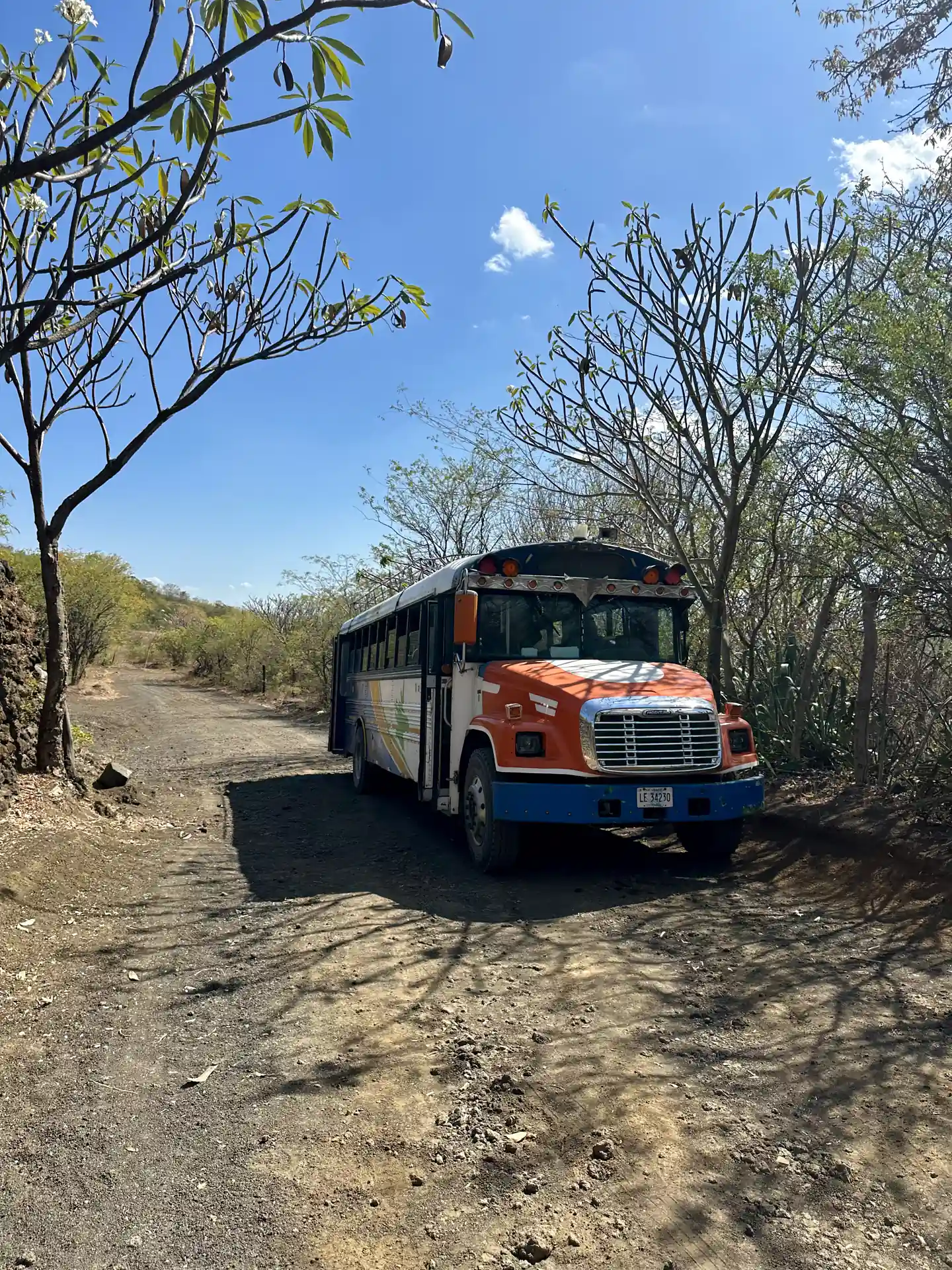
Basically, you just hop on, find a seat, and wait for the bus to fill up before it departs. Sometimes this only takes a few minutes, other times you might have to wait longer. On the bus there is the driver called “El Chore“, and his assistant, “El Ayudante”. The assistant collects the fares and announces the stops. Usually, a ride costs around 100 to 200 Córdoba, roughly $3 to $6. Locals or Spanish speakers often pay less. The buses are almost always full, and there are hardly any luggage compartments. Most of the time, you will hold your bag on your lap or place it on an empty seat, often for an extra fee. Sometimes luggage is stored on the roof. We recommend using an AirTag or something similar so you can always be sure your bag is still there. At almost every stop, street vendors hop on, making it easy to get snacks and drinks along the way.
Bus stations can be loud and chaotic. Between honking buses, vendors, and music there is a lot of activity and small stalls sell snacks, drinks, and fruit everywhere. Amid all the commotion, locals often approach to carry your luggage to the correct bus. They do help, but expect a small tip at the end. Keep a close eye on your bags so they don’t get lost or end up on the wrong bus, as people move quickly and can disappear in the crowd. It’s best to ask your accommodation or the bus staff directly about the correct stop and route. Speaking Spanish can definitely be an advantage here.
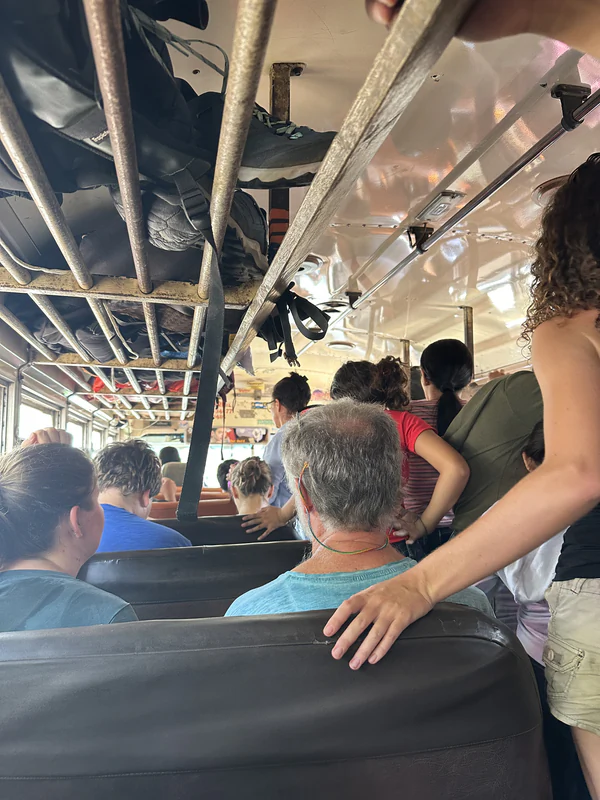
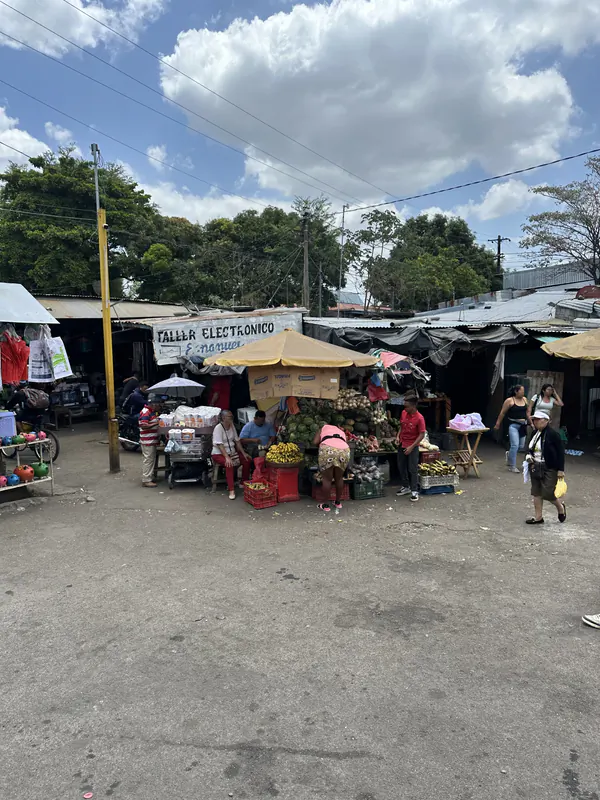
If you prefer a quieter and more comfortable option, you can take the express buses. These are more modern, offer more comfort, and only stop at a few locations. Most of them have air conditioning and cost just $3 to $6 more. In return, you travel more relaxed and reach your destination faster. Payment is usually made when boarding the bus or directly on the drive. Express buses often depart from different stops than the regular chicken buses. You can either find these stops on Google Maps or ask locals.
For shorter distances or late-night travel, taxis are a good alternative. In many cities, you can hail them on the street or book via an app. Apps like Aventón and Ray are especially convenient, allowing you to propose a fare that the driver can accept or decline. This often helps you find cheap rides without long negotiations. Alternatively, it’s worth asking your accommodation, as many hosts have contacts with reliable drivers. If you hail a taxi directly, always agree on the price beforehand. Keep in mind that many vehicles are old, so the ride can be a bit adventurous. We heard that official taxis can be recognized through a red license plate and a taxi sign on the roof.
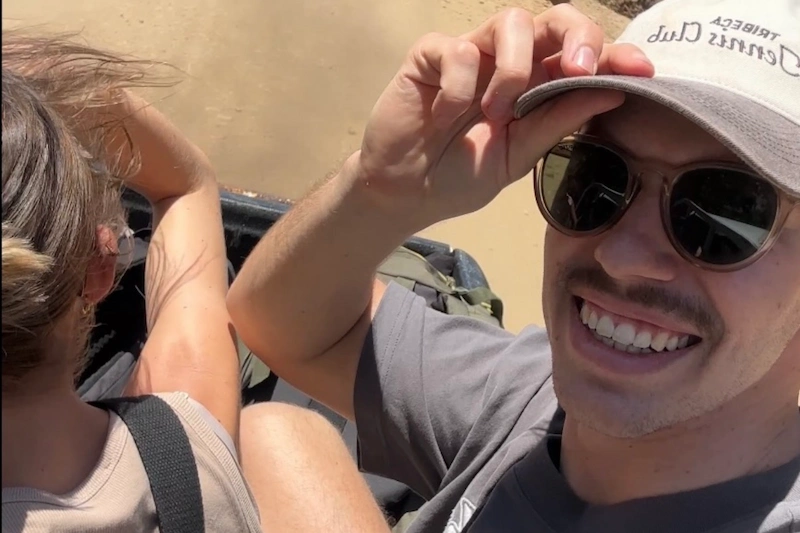
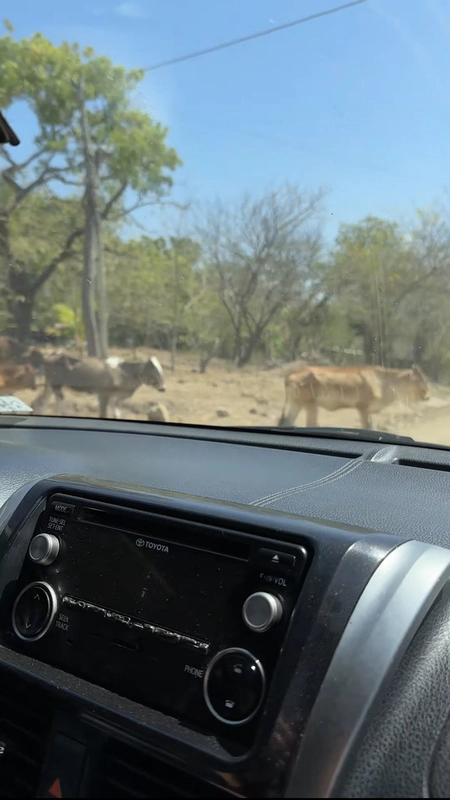
One more thing to keep in mind is that distances in the country often look shorter on the map than they actually are. Even seemingly short trips can take several hours, especially if you are traveling by chicken bus and need to change buses along the way or encounter traffic. It’s better to plan extra time and take it easy. Things in Nicaragua move at a slower pace, but that is part of the country’s charm. In less-developed areas, you may also need to consider alternatives like hitching a ride, for example in the back of a pickup, if you don’t want to wait hours for a bus (if one even comes). We only experienced this on the way to El Tránsito, so you’ll find more details about that in that post.
Your Ultimate Nicaragua Guide
We know that people often don’t read blog posts from start to finish, so at the end, we’ve summarized all the key information in short, clear bullet points. This way, you can see everything you need to plan your Nicaragua trip at a glance: